Detail
History
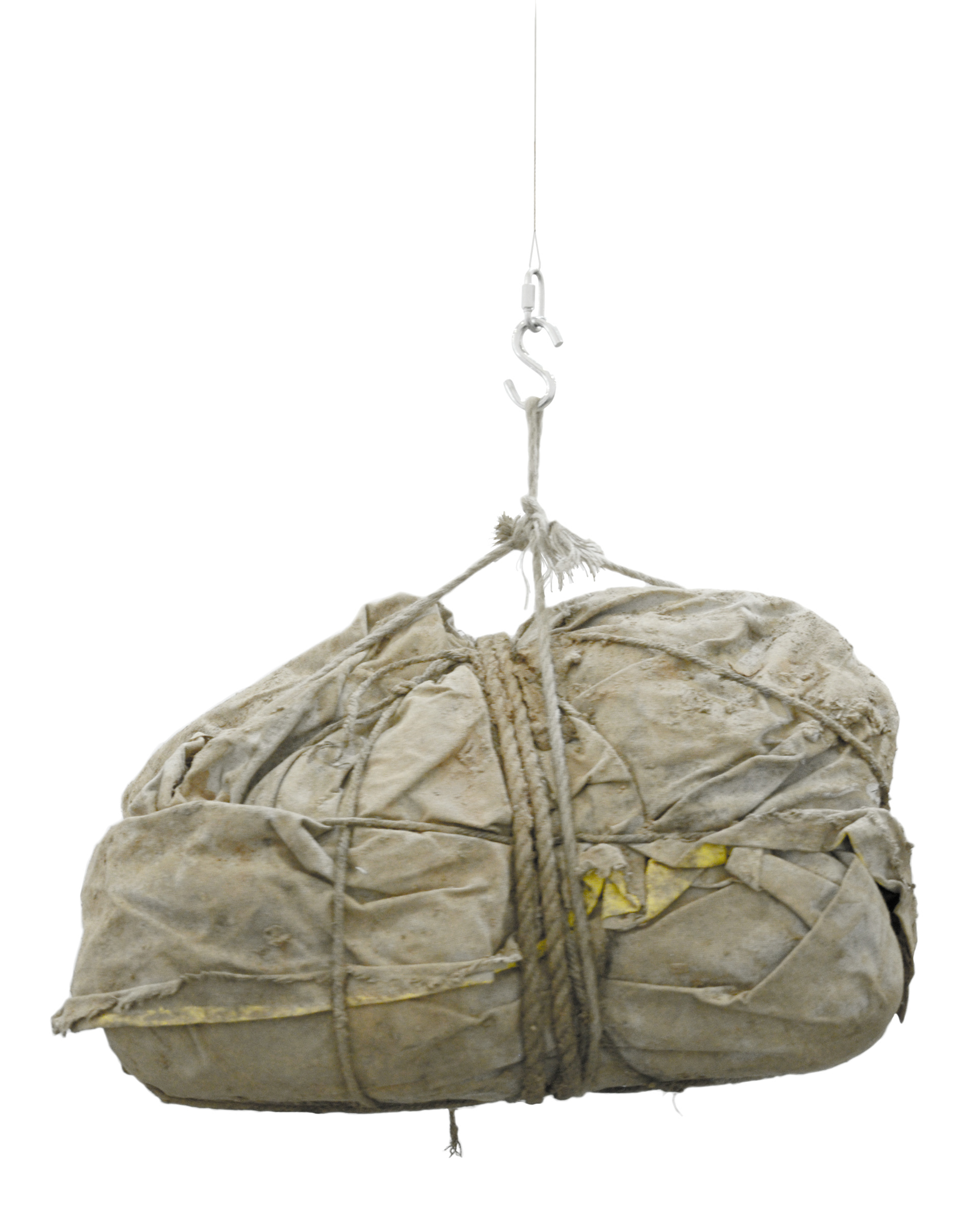
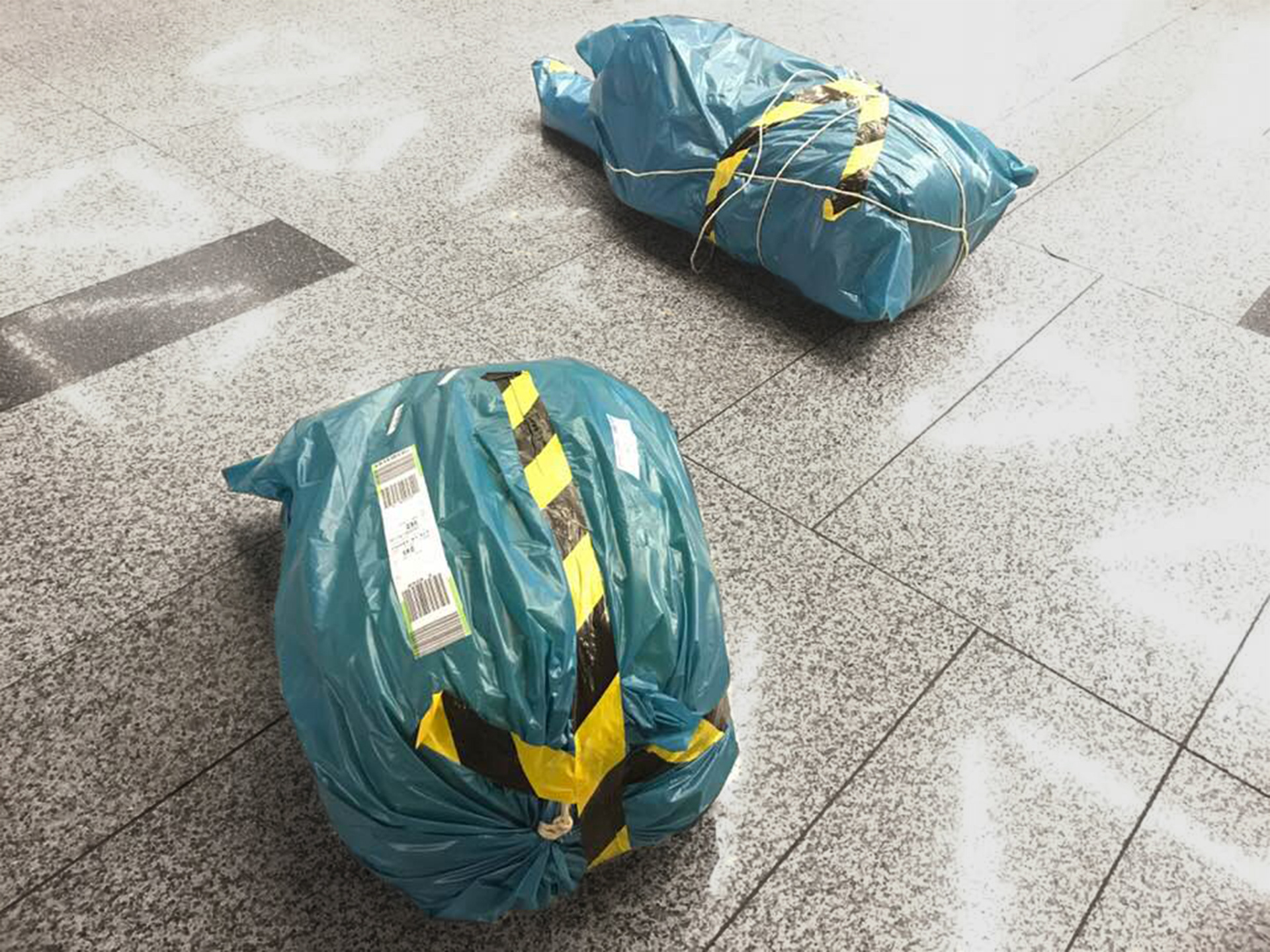
The horses went down the steep path; stones poured, there was frost. The Spanish border guard put a stamp on the passports, Marika and Anton went further to the territory of Andorra, to the nearest stop, take the bus back to Spain. Next — the plane from Barcelona. Back down in Karlsruhe in illegal status, artists began to mount a performative installation in a large hall of ZKM museum. A&M hung all their luggage as a load on six strings, connected the wires, adjusted the software.
Detail
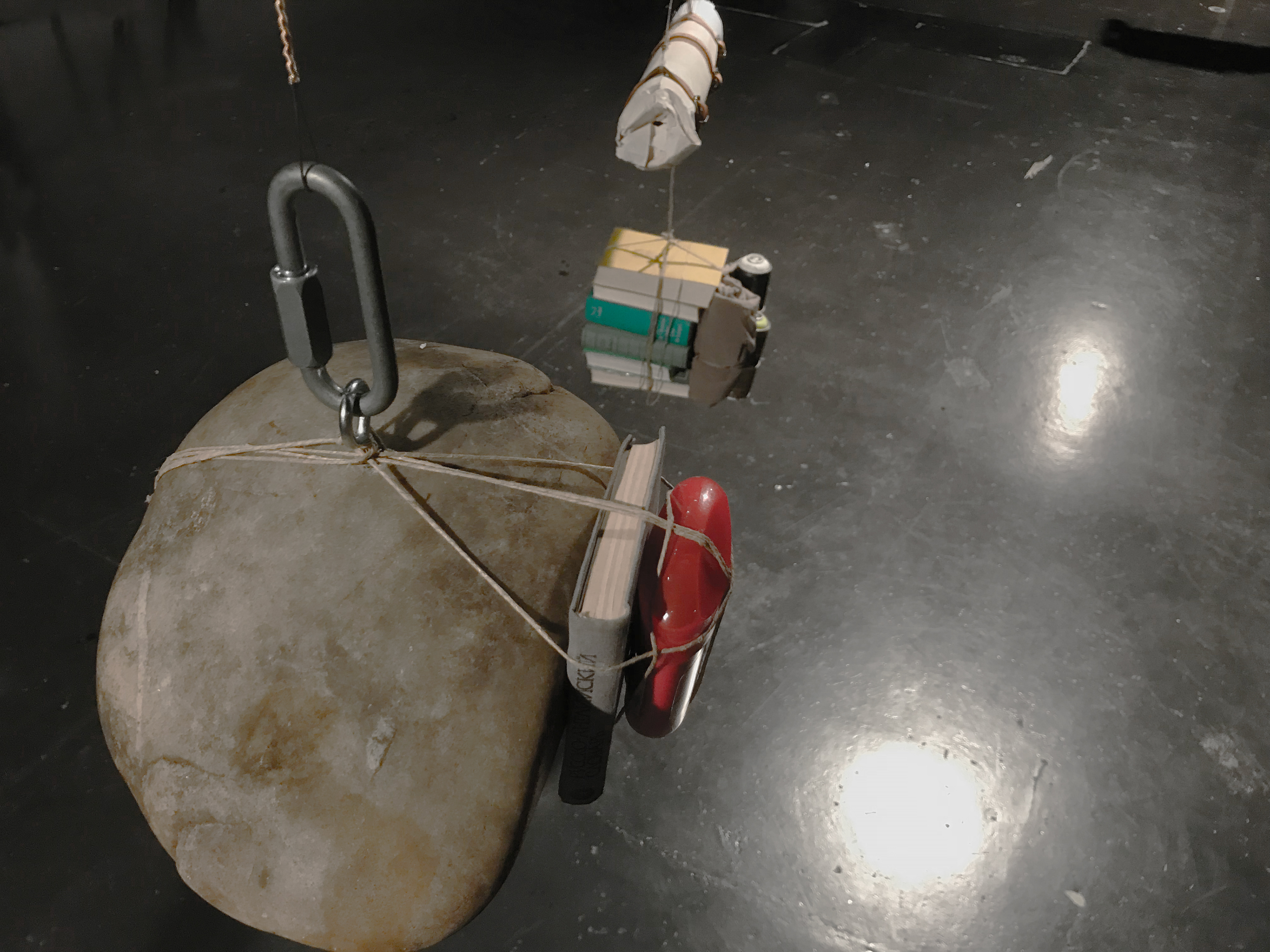
Anton Kryvulia and Marika Krasina have been in a state of a permanent journey for years. The amount of personal possessions has long been reduced to the required minimum, which could always be rapidly collected and taken as hand luggage on the plane. Now all these things are bounded and suspended on six strings as a weight providing the necessary tension for pulling the sound.
Full Work →
Loading 180106 Six Stones…
Detail
Detail
Authorial Comment
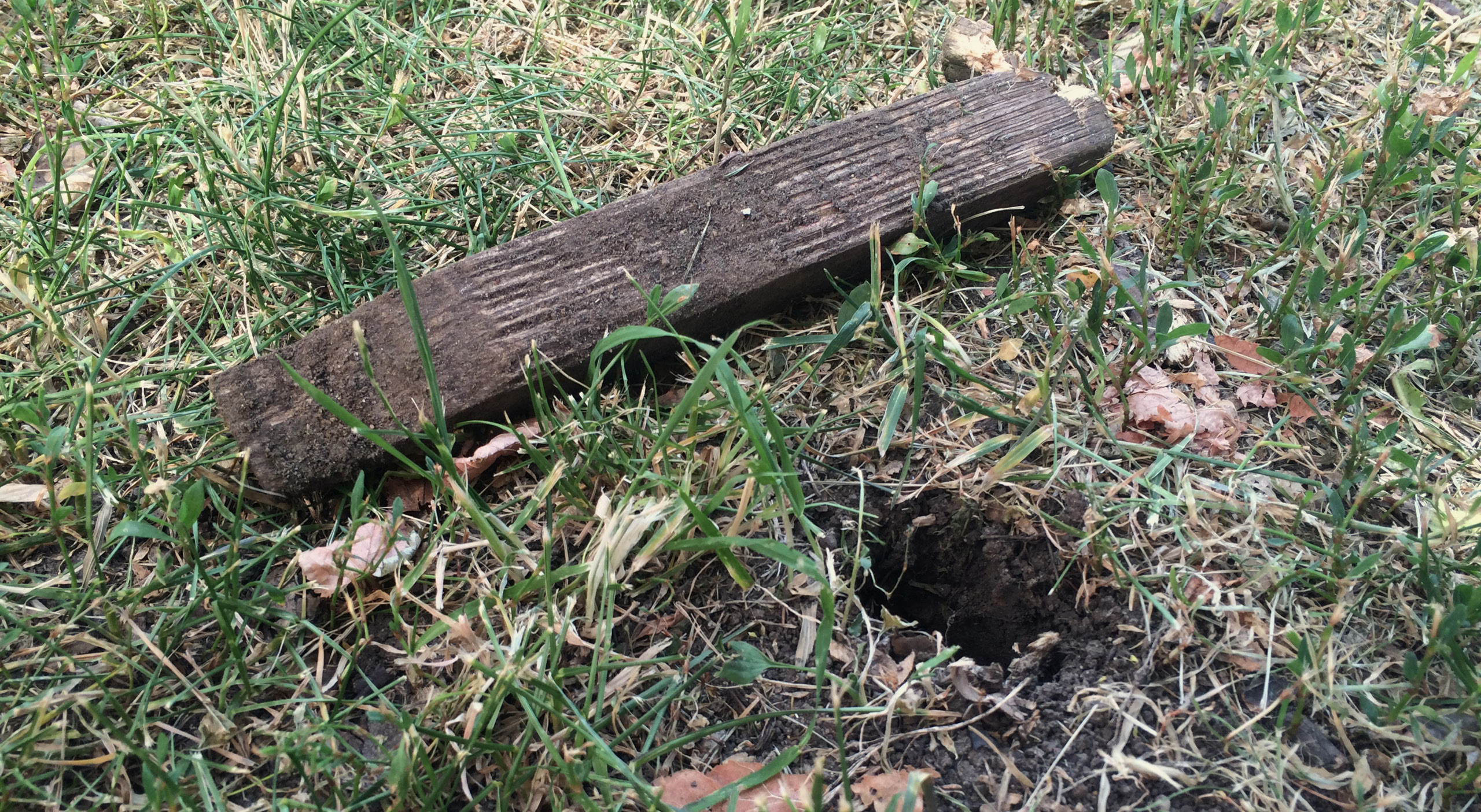
A Fid is a tool that creates holes in the ground equal to itself.
— 000054 A Fid is a tool that creates holes in the ground equal to itself
History
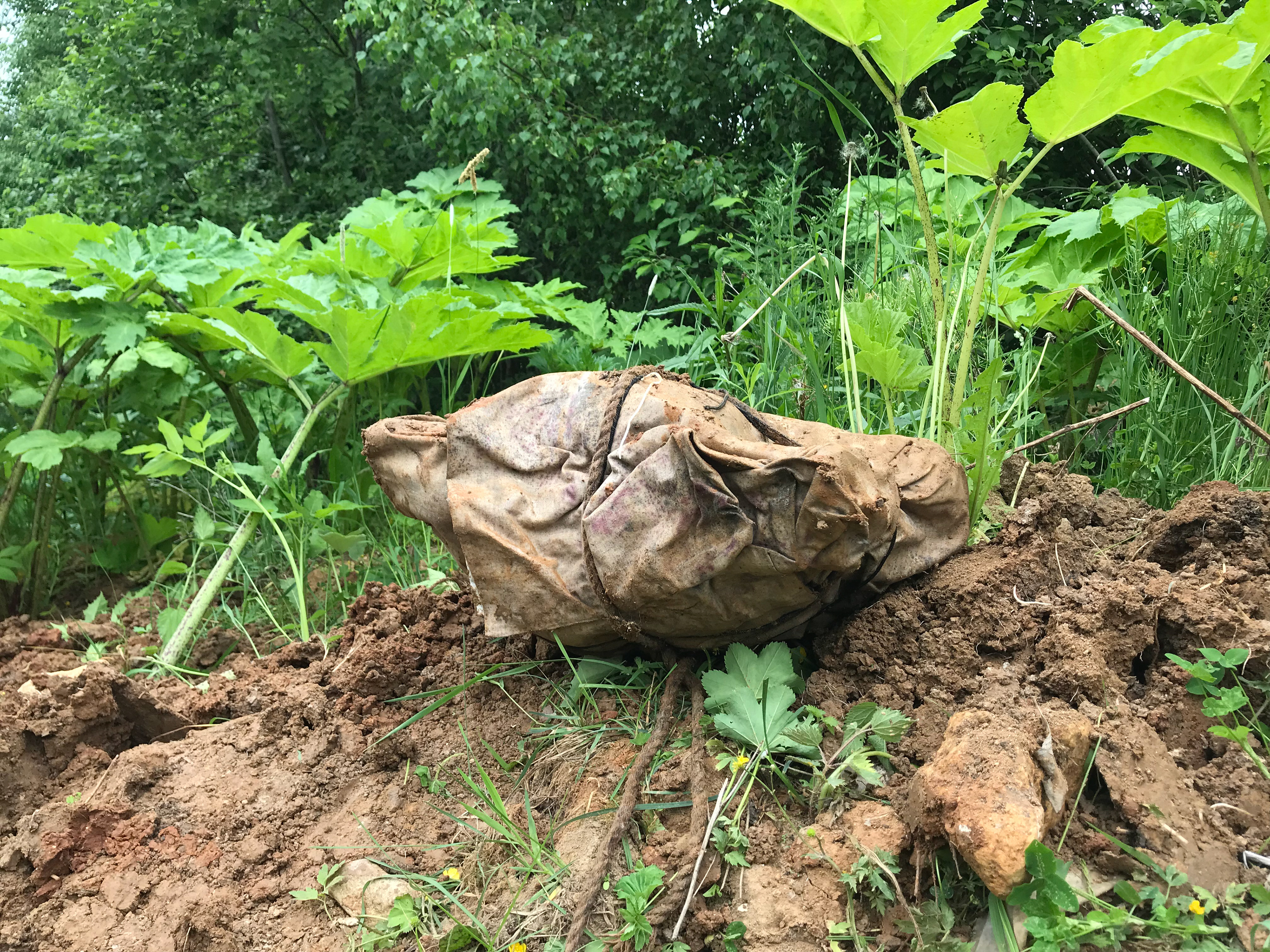
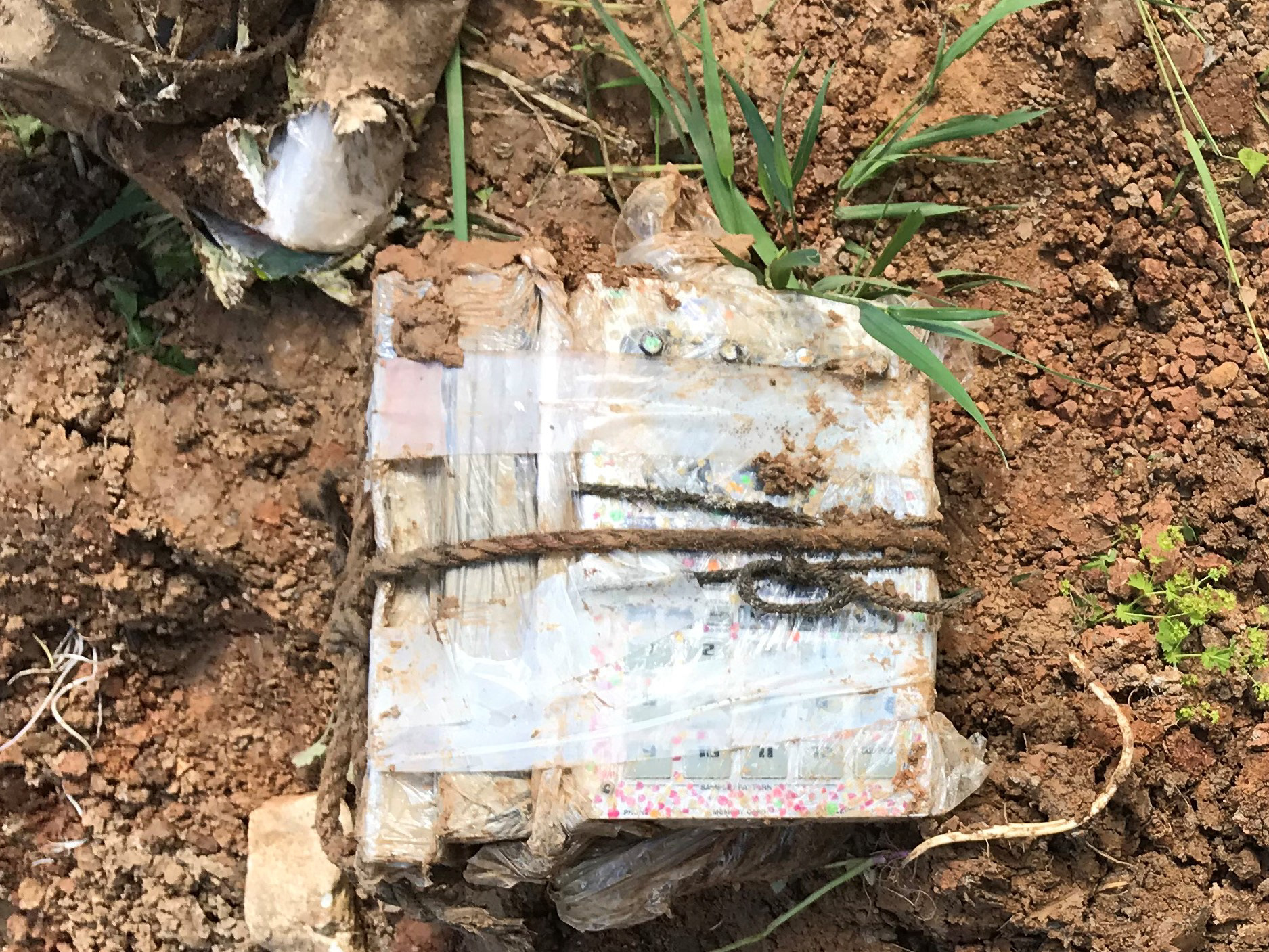
Where to store things? It's a problem, namely, an artistic one: Marika and Anton try not to produce art objects precisely because they have no place to store them. Leaving Moscow in the fall of 2018, Marika Krasina and Anton Krivula had buried their personal belongings (that could not fit in the plane) in a field at the Moscow River source. After six months, they dug them up and mounted them as a weight for the strings’ tension.
Authorial Comment
The soil will become a temporary storage for these things, the things displacing the soil, pushing out… a part of it. And, according to Archimedes’ principle, the things will force a portion of the earth up to the surface, leaving behind a trace measured in a universal equivalent. In general, both these things and this soil are casts of our life; they are part of our physical existence. This soil, therefore, is a cast of that existence. Thus, the displaced earth will be our… self-portrait.
Detail
Detail
History
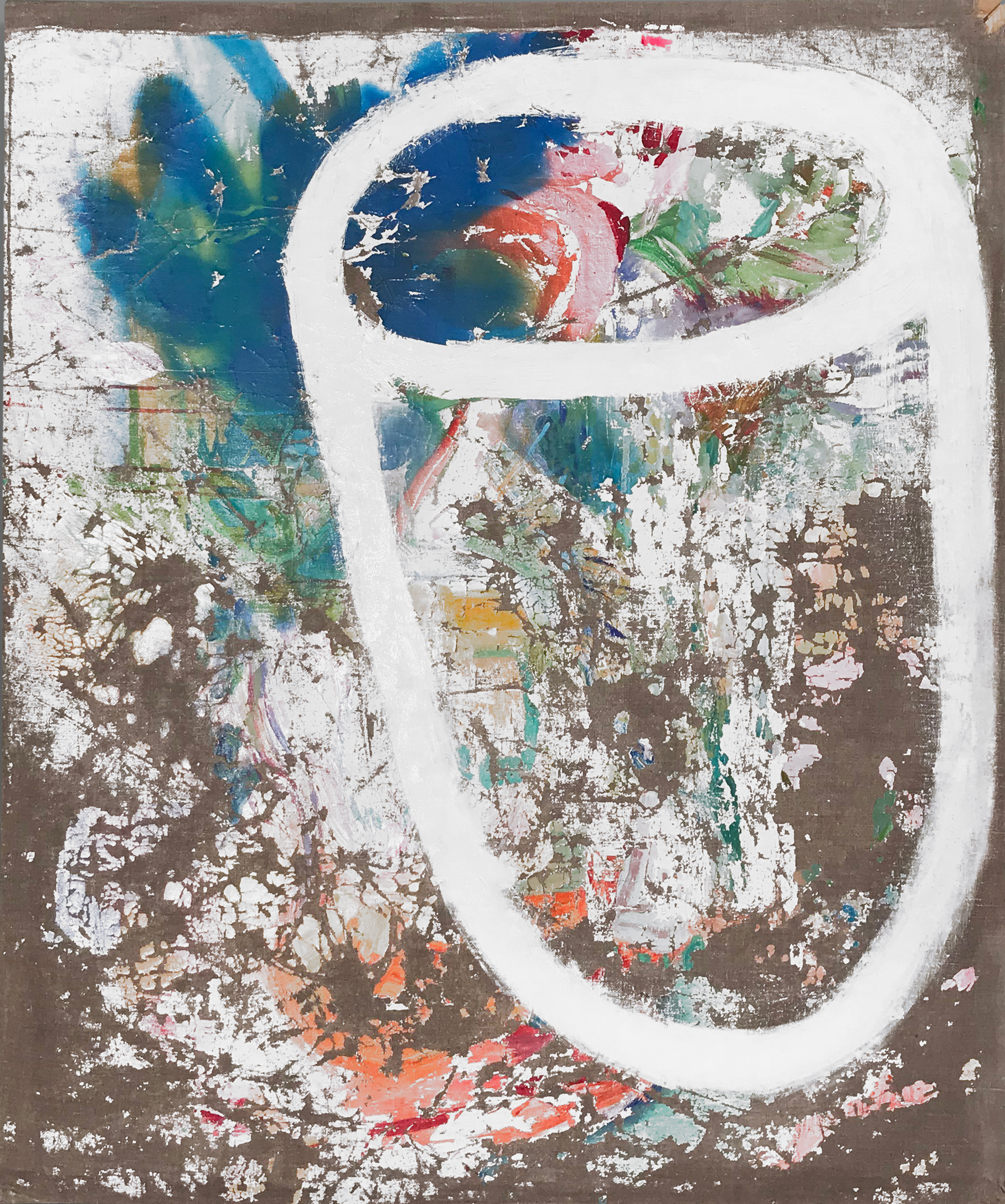
Among them were notebooks, graphics, musical instruments, and paintings. For six months in the ground, things have ceased to be what they were before. Water, temperature drops, bacteria, and other factors turned them into the soil so successfully that artists had to throw everything away after the show except a few paintings covered with the perfect German Gesso.
Detail
Full Work →
Loading 190620 Autoarchaeology…
Authorial Comment
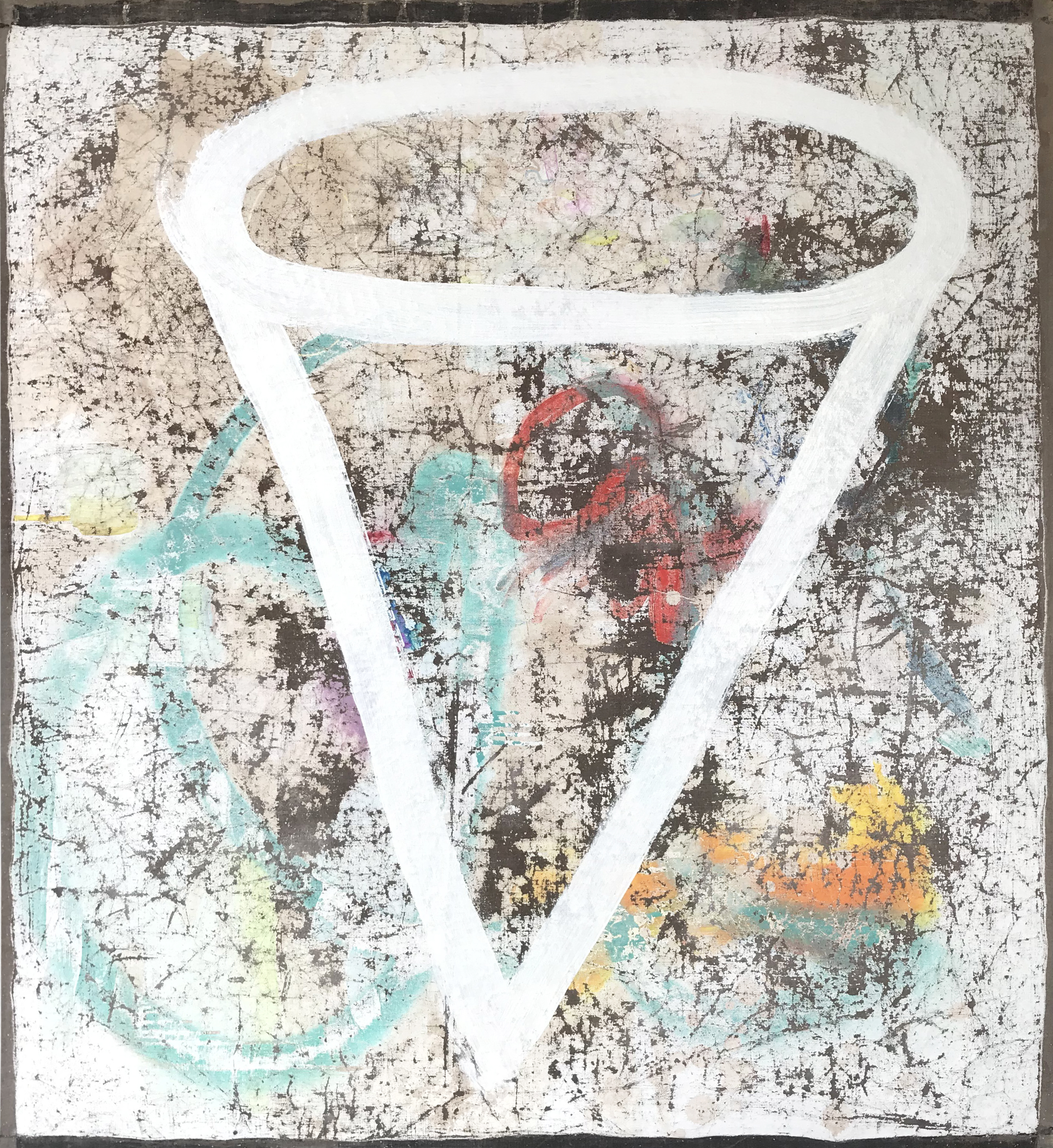
After this, we began looking for a way to preserve the damaged paintings in the state in which they had emerged. We selected two paintings and ordered new, thick stretcher frames for them in St Petersburg. The canvases were consolidated using restoration-grade adhesive and then given a protective coating. What became important was not restoring the paintings to their previous appearance, but finding a way to hold their fragmented, damaged condition and continue working with it.
— Retrospective authorial testimony, 22 August 2026; edited English translation.
Authorial Comment
It was at this point that the idea of a large gathering form appeared — a form that could hold together the fragmented surface of the painting. We called these forms protoforms. The noise index began to condense into a limited set of simple forms; among those we named were the glass, cone, prism, column, and bubble. Underlying this was the idea that different forms could emerge from some initial point or primary form. On the two restored paintings, we realised two such forms: the cone and the glass.
— Retrospective authorial testimony, 22 August 2026; edited English translation.
Detail
Full Work →
Loading 190601 Cone…
Detail
Full Work →
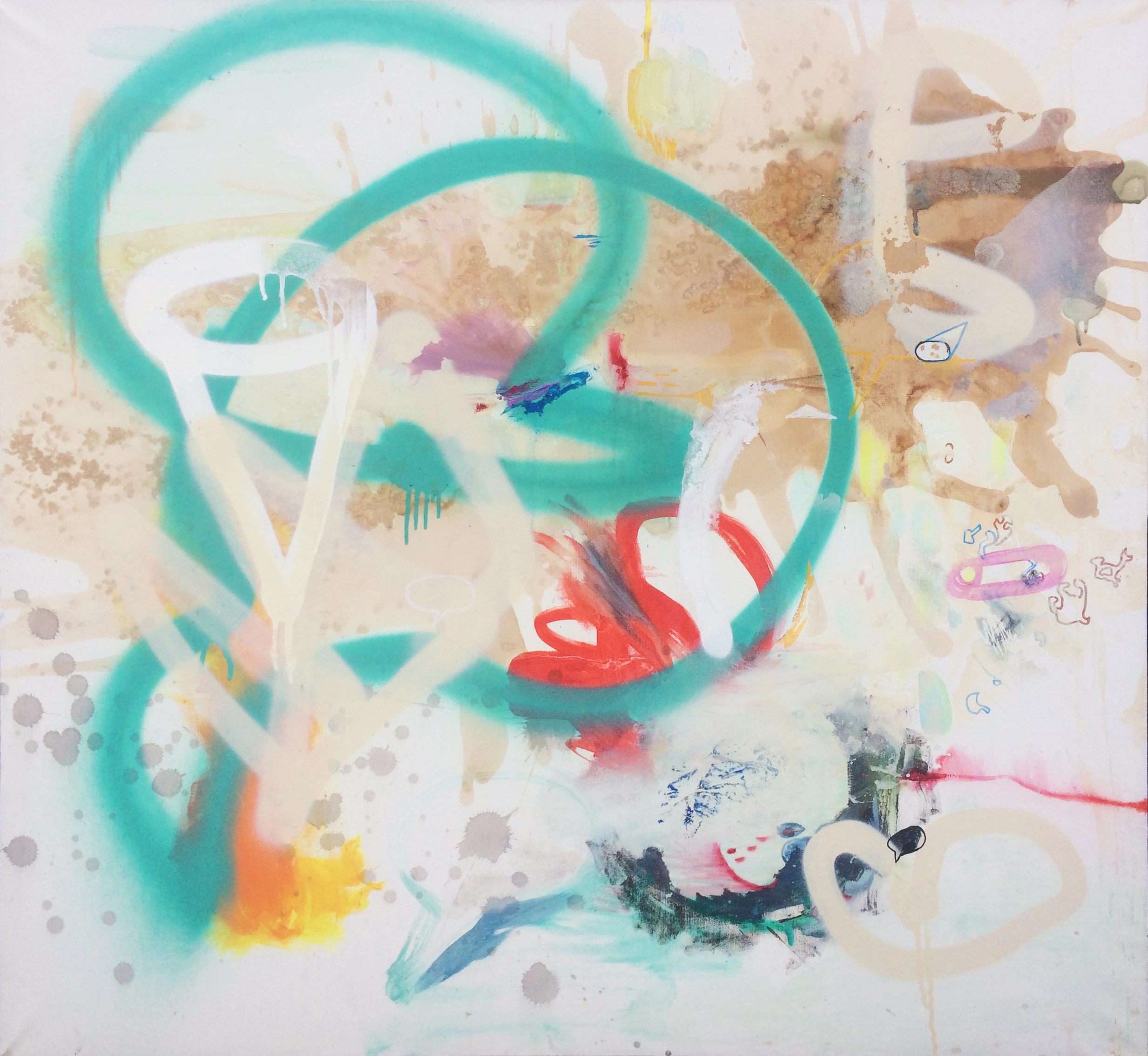
Loading 160712 Bubbles…
Detail
Full Work →
Loading 190612 Glass…
Detail
Full Work →
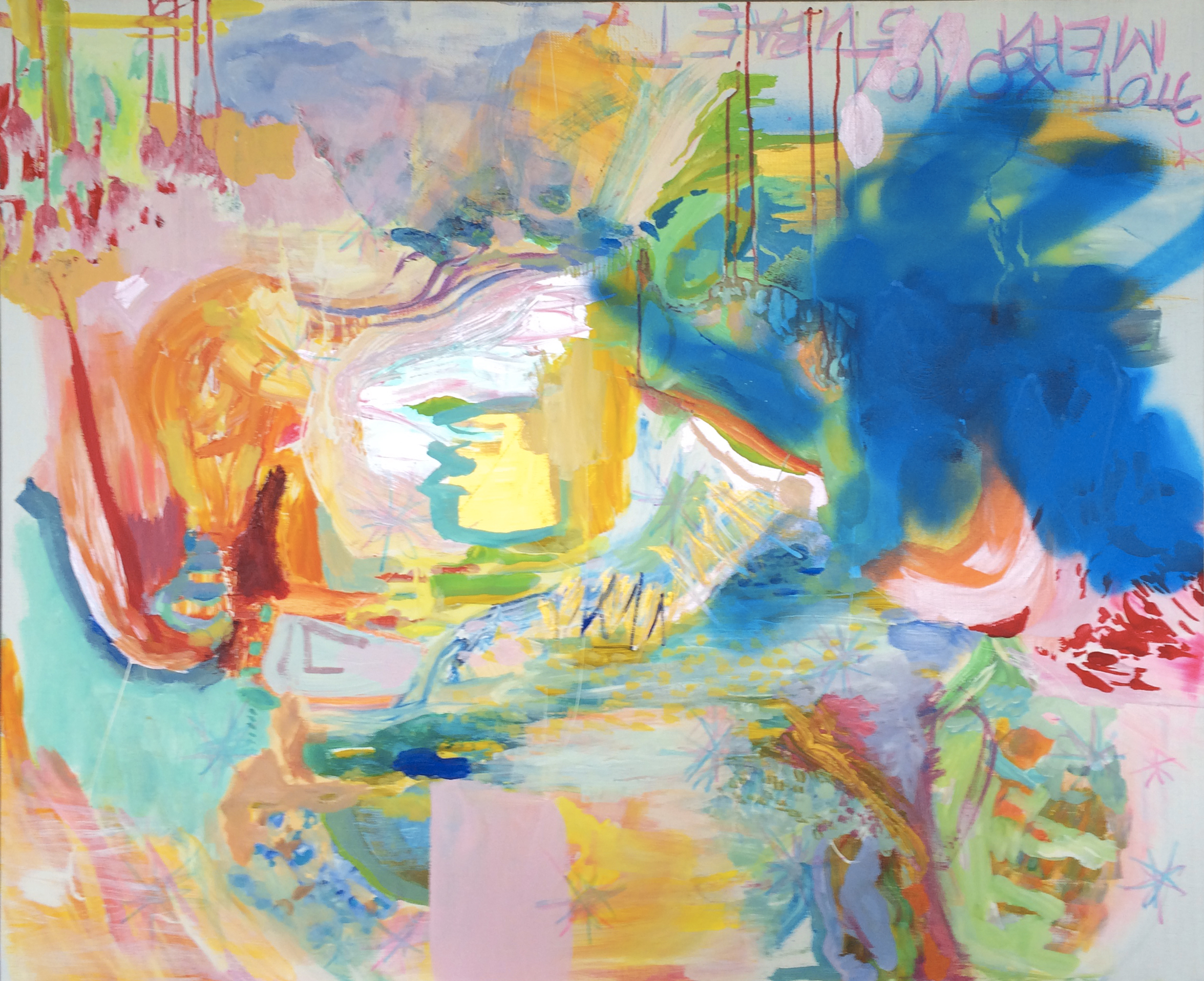
Loading 140815 This Cold Is Killing Me…
Related Works