Authorial Comment
Theory and practice are impenetrably separated. The strange thing is not that they are separate, but that they nevertheless interact somehow.
History
Nonknowledge first appeared in our conversations as a factor related to the phenomenon of time. We saw it as something that invades the present from the future and in this way forms the past. At the time we were working on the Opera, a processual project lasting one year, in which Nonknowledge served as an operator for planning performative events. One of these events, scheduled for the entire second half of the Opera, was to be a Zone of Nonknowledge — a practice that, according to the logic of the concept, we deliberately left without specific content. We decided to let whatever happen during this time and to plan nothing in particular.
Detail
Full Work →
Loading 181024 Nonknowledge Zone…
History
When the time of the Zone of Nonknowledge arrived, we found ourselves in Turkey on the way from Antalya to Adrasan. The route ran through the forest along the sea and eventually took a month or a month and a half, with an interruption: we had to dash back to Moscow for a couple of days to meet an eccentric in a Moscow City tower. He intended to establish a new kind of nationwide Masonic lodge and wanted us to help. When we returned to the trail, we continued without any plan for the next day, or for the future at all. Ahead of us were Rome, the city of Vladimir, Athens, Naples and Palermo.
The Zone of Nonknowledge, which occupied the second half of the year-long project, ended when we had to bury all our things in a field near Mozhaisk and fly to Vietnam.
Detail
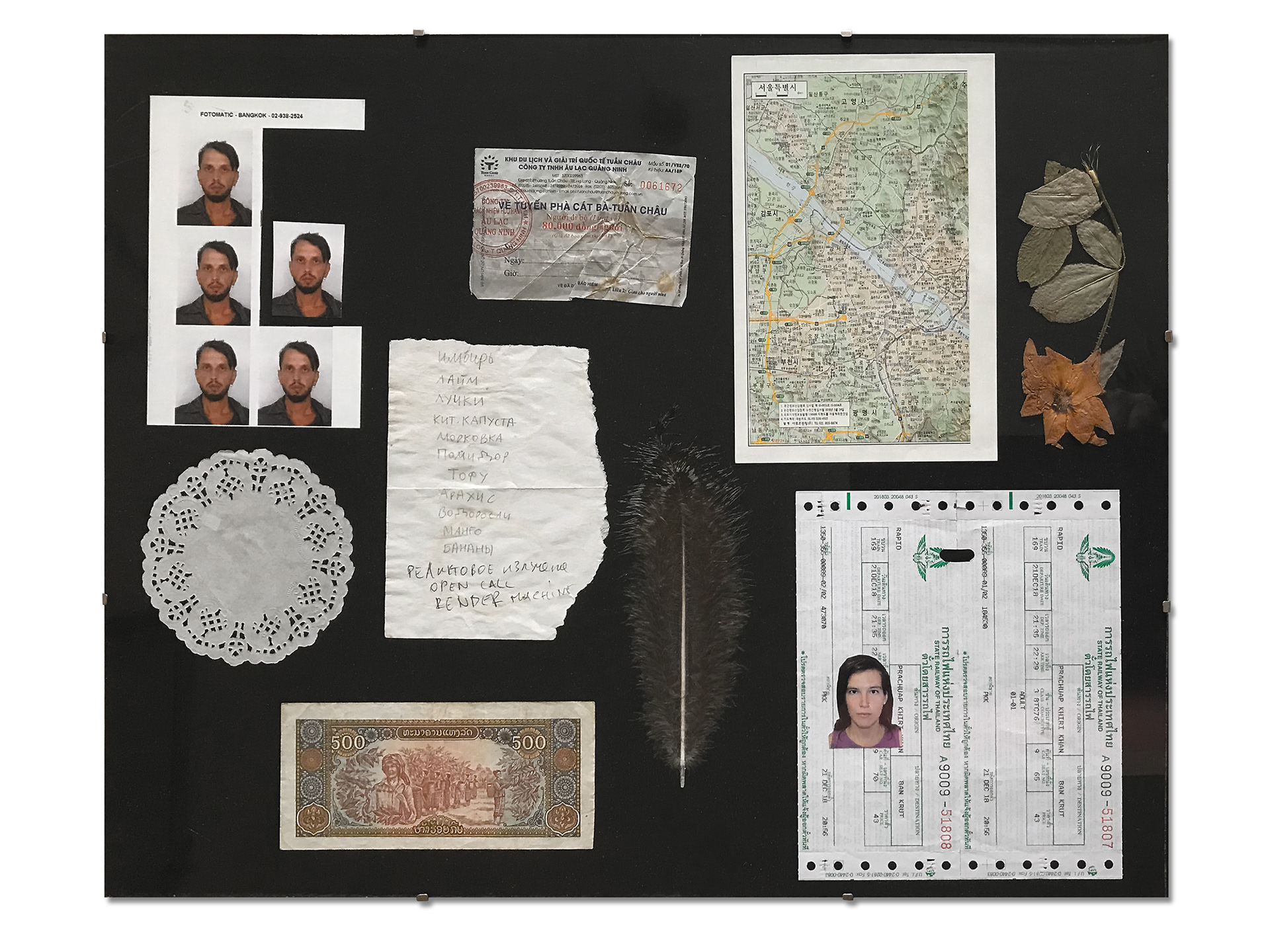
Detail
Authorial Comment
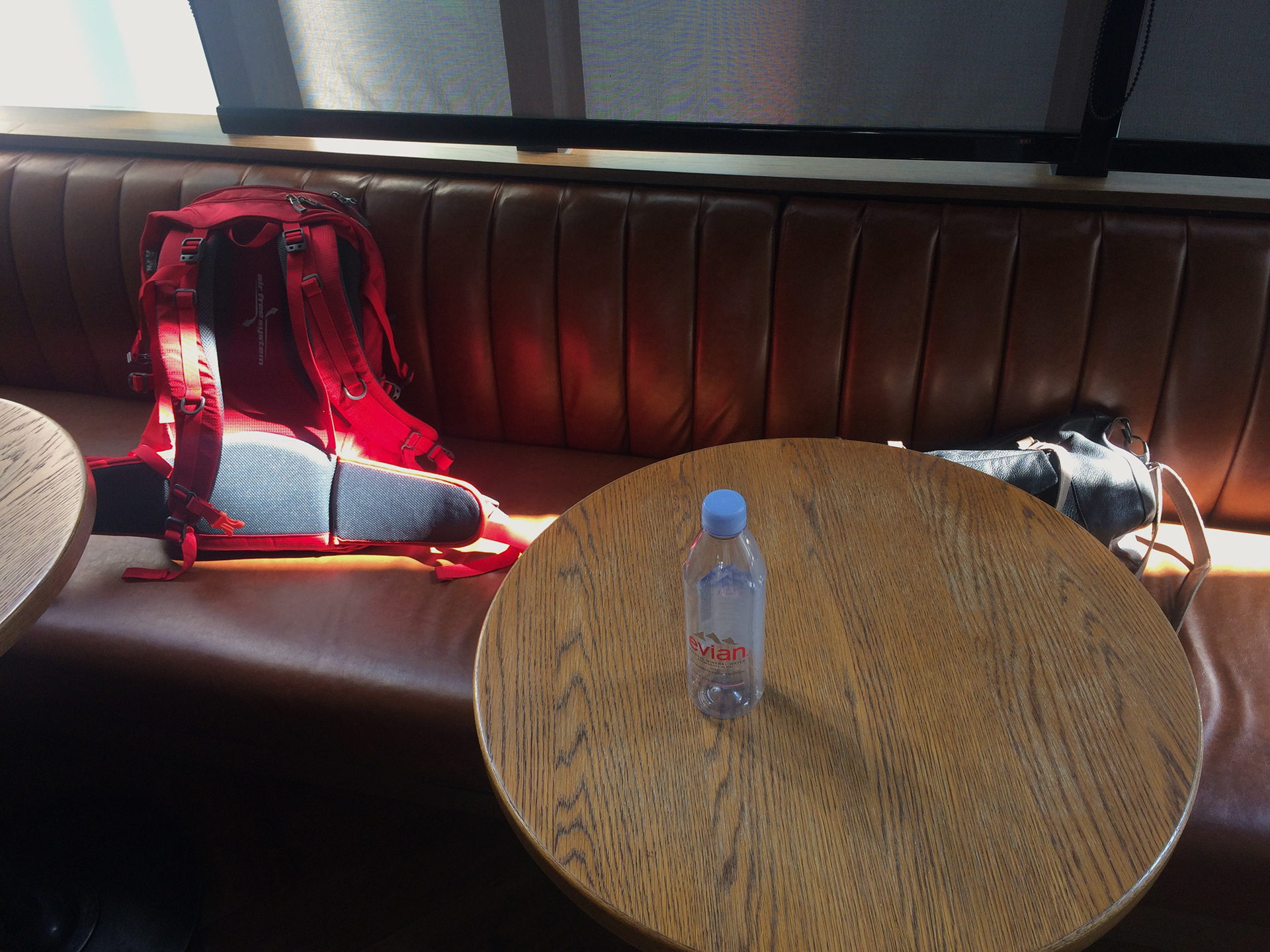
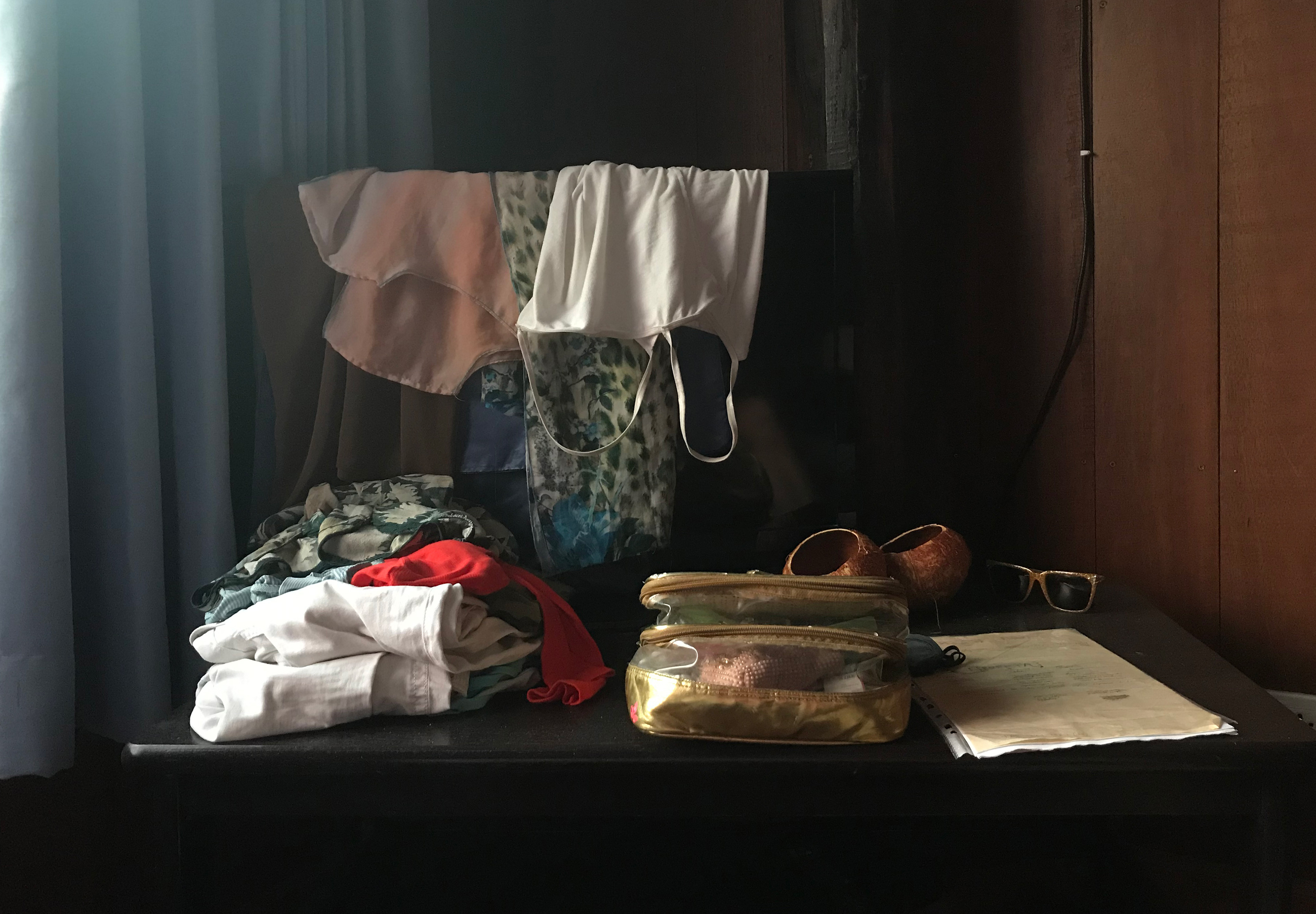
This is what we noticed: the Zone of Nonknowledge had ended, but Nonknowledge itself remained with us — no longer as a factor of time, but as something belonging to being as such. It became the background of every event and object. We began to think and speak about it constantly. After half a year of slowly sliding down Indochina, from the islands of northern Vietnam through the wilderness of Laos, we became stuck in a remote province of Thailand in front of a vast empty beach where there was never anyone except us and the dogs. We had completely run out of money, and Nonknowledge became a fact of everyday life. We lived in the house of a local healer, who fed us rice and fruit brought by his patients, and we talked to each other all day. We developed a system of media mechanics in which Nonknowledge operates the autonomy of any subject and also provides for the objectification of things. Observing the urbanization and pollution of South Asia, we began to note a relation between rubbish and Nonknowledge. The Aesthetics of Nonknowledge took on the meaning of Media Ecology. We recorded these observations as propositions that could be brought together under the general theme of the Aesthetics of Nonknowledge.
Detail
History
After a month and a half of productive despair, the situation unexpectedly resolved itself with an invitation to the SASG residency in Seoul. It was our chance to get out. In Seoul we could calmly undertake theoretical research into Nonknowledge and look for its traces in the history of thought and art. As usually happens, what had come to us as a revelatory experience turned out not only to be an established subject in the history of philosophy, but a key subject in the philosophy of art. In Seoul we discovered the work of Nicholas of Cusa, Georges Bataille, Giorgio Agamben, Jacques Rancière and other authors who approached Nonknowledge directly or indirectly. Our practice was inscribed into a theoretical frame retroactively. At that time we began consciously to use the apparatus of the Aesthetics of Nonknowledge in our artistic work.
Detail
Related Works