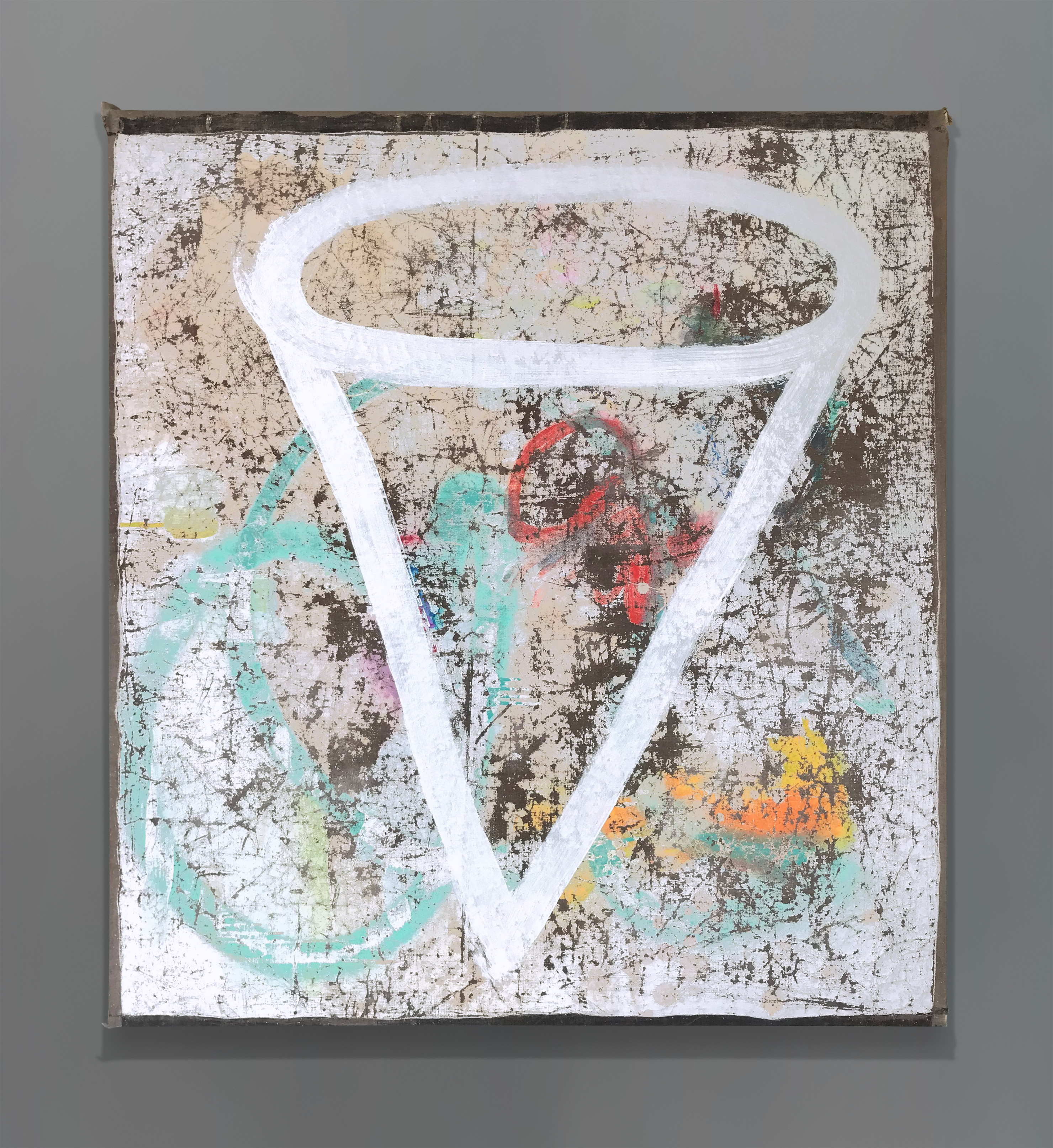
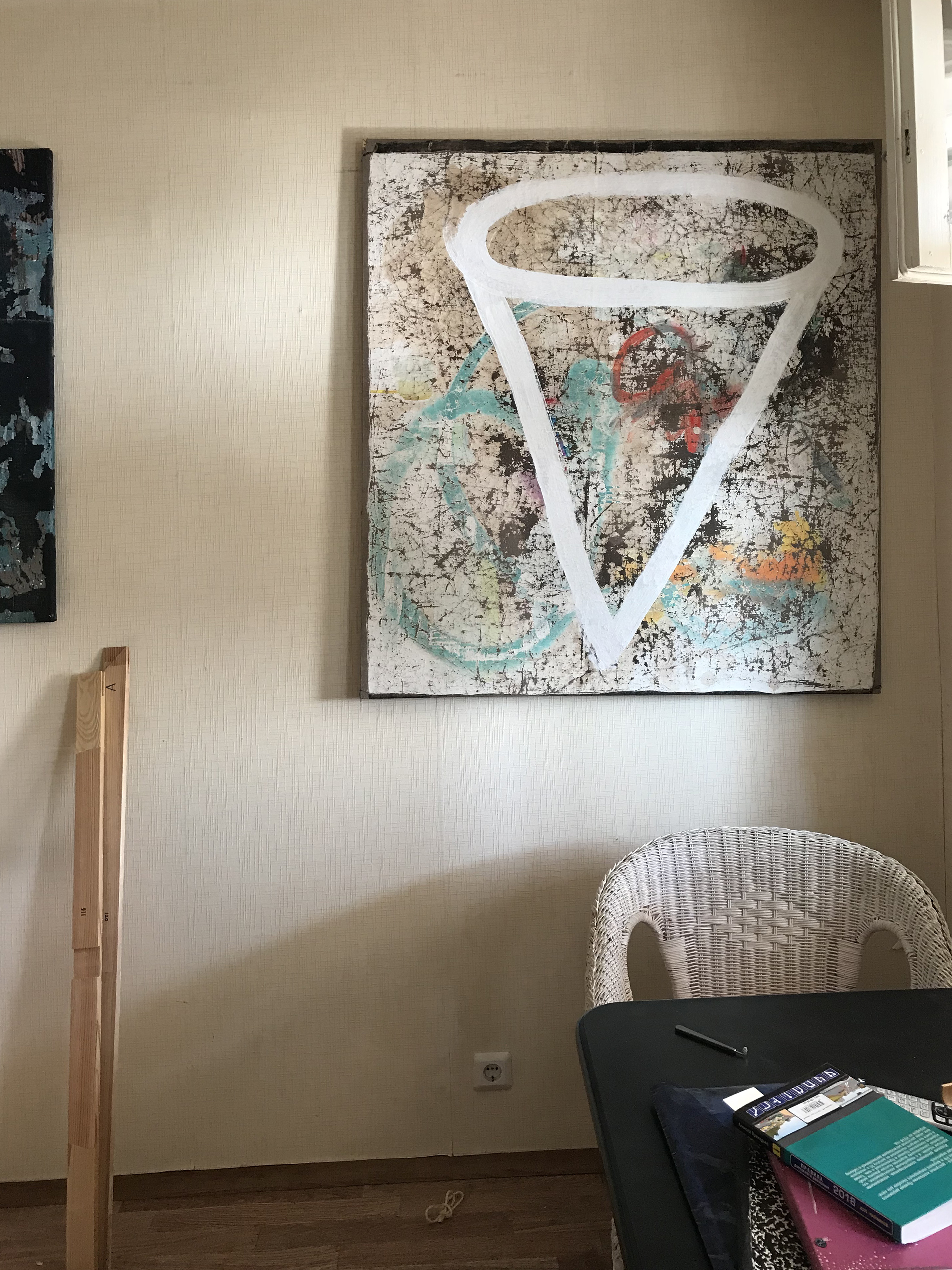
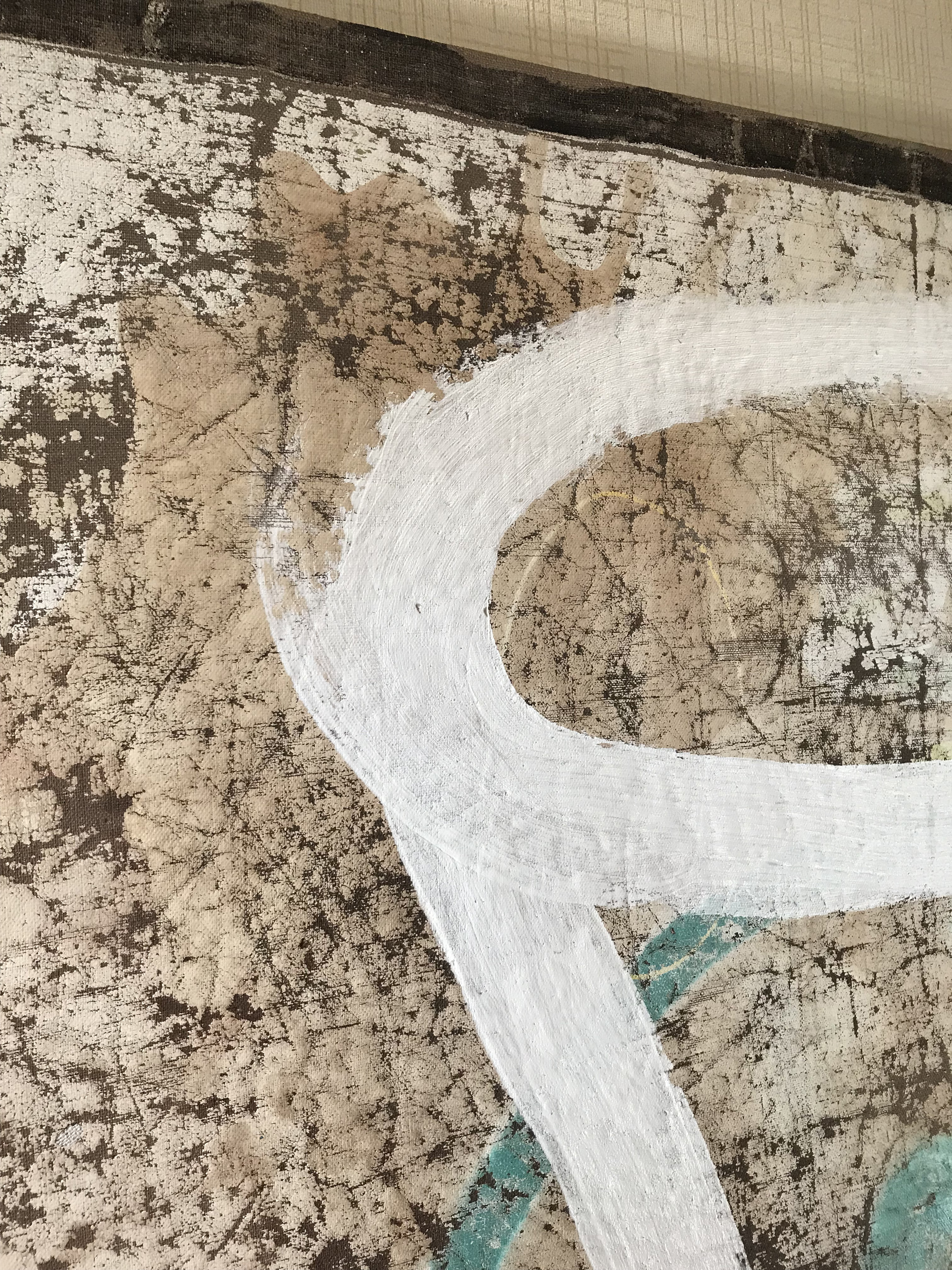
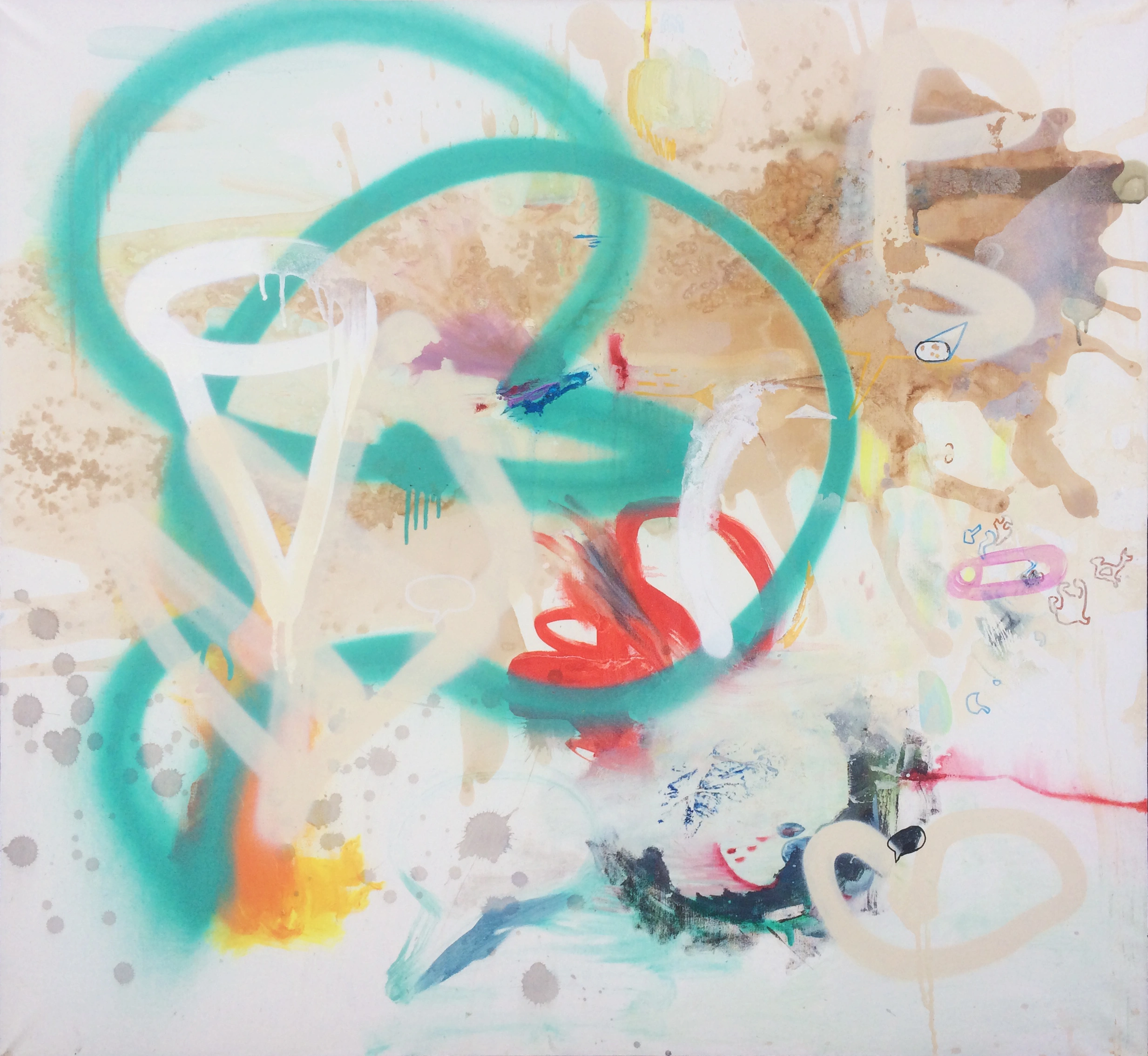
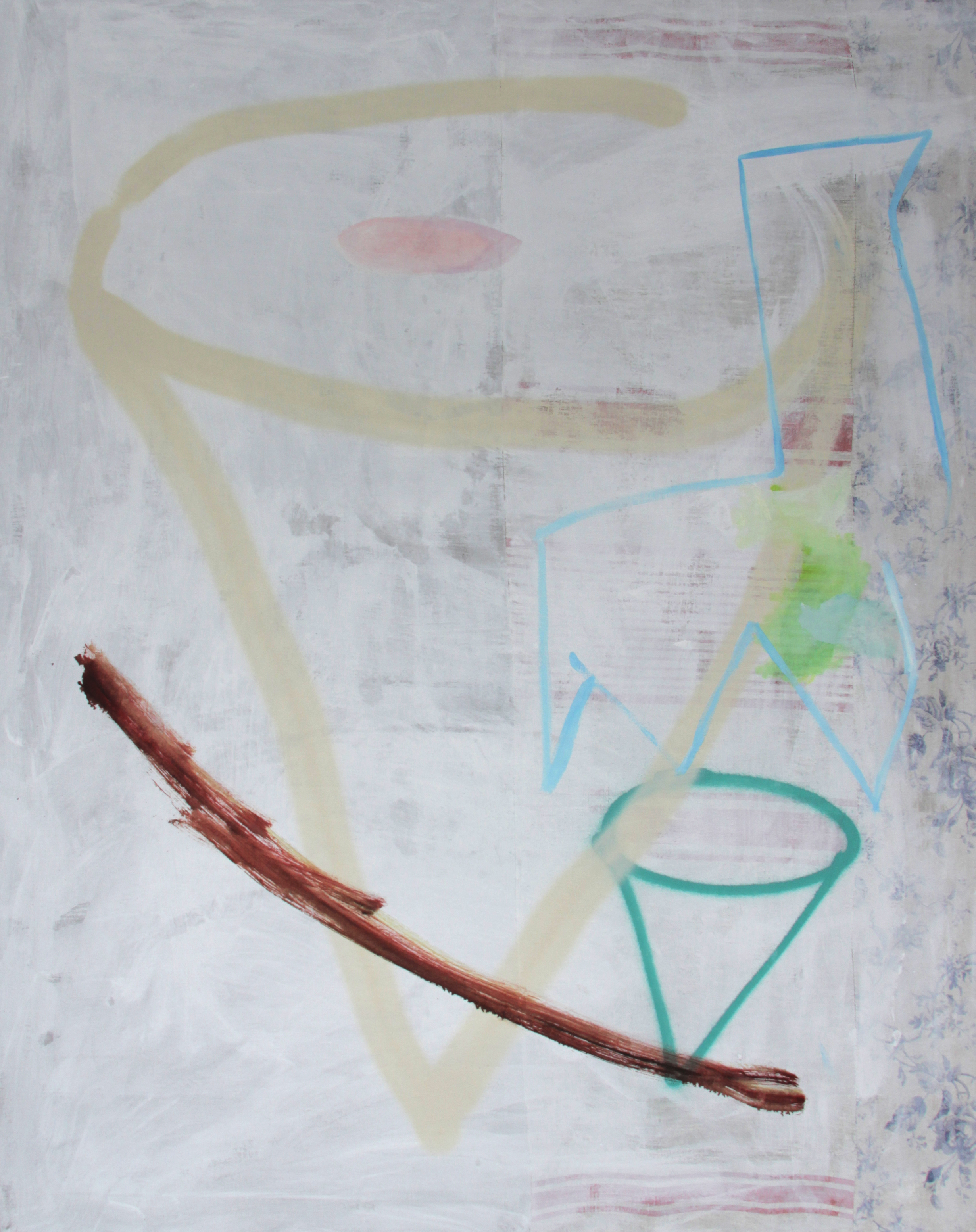
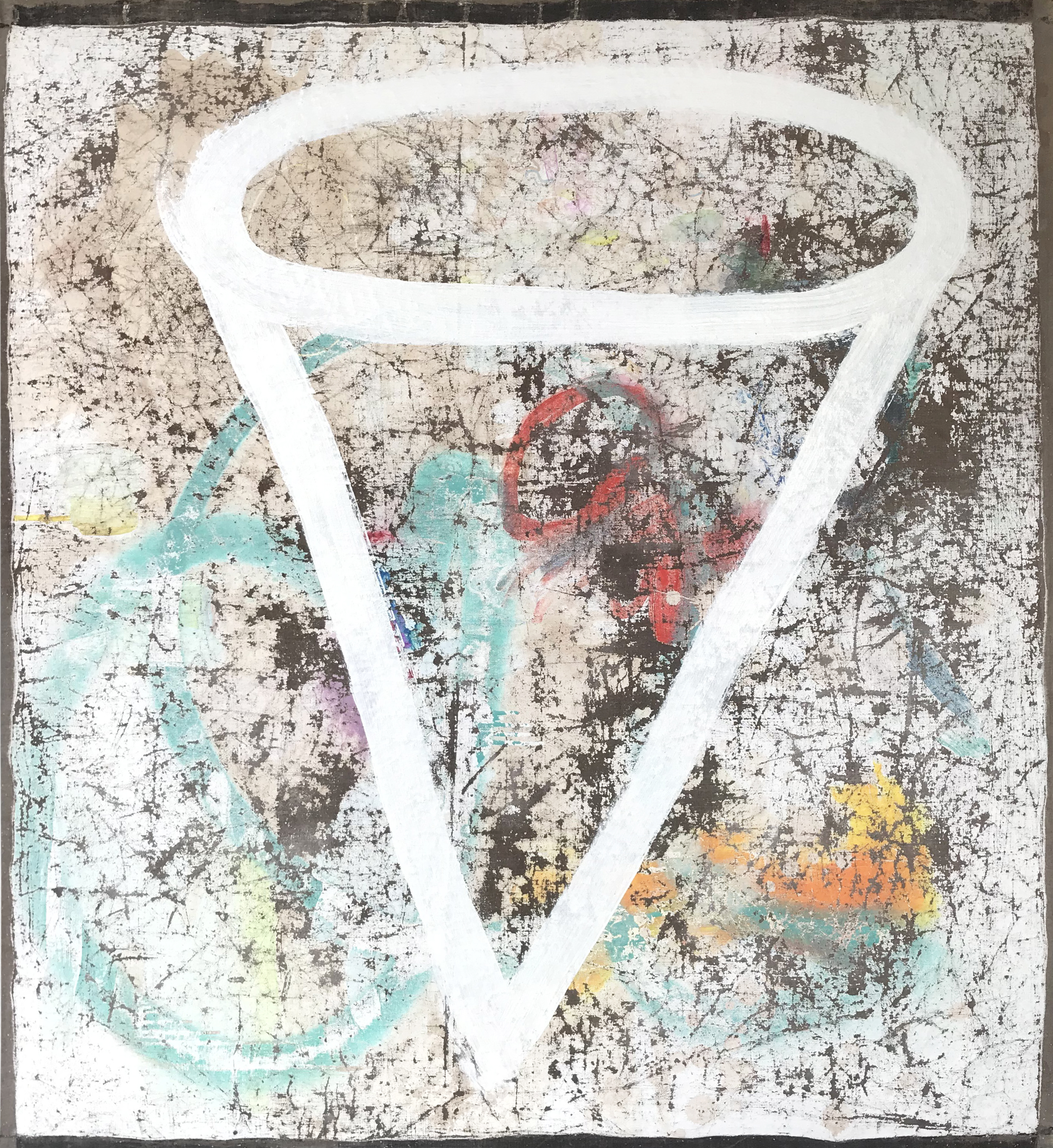
The question then shifted from breaking the surface to space: what is the minimal way to mark out space on a plane? This is where Wittgenstein’s cube appeared. From the cube came the glass, cone, column and tube — not four independent objects, but different states of one spatial object as it rotates and changes its position in relation to the viewer. Later a bent tube, resembling half of a torus, was added to them. In this sense the tube is not a motif in itself either. It is a spatial instrument: a minimal form that allows the plane to cease being only a plane without turning into an ordinary representation of three-dimensional space.