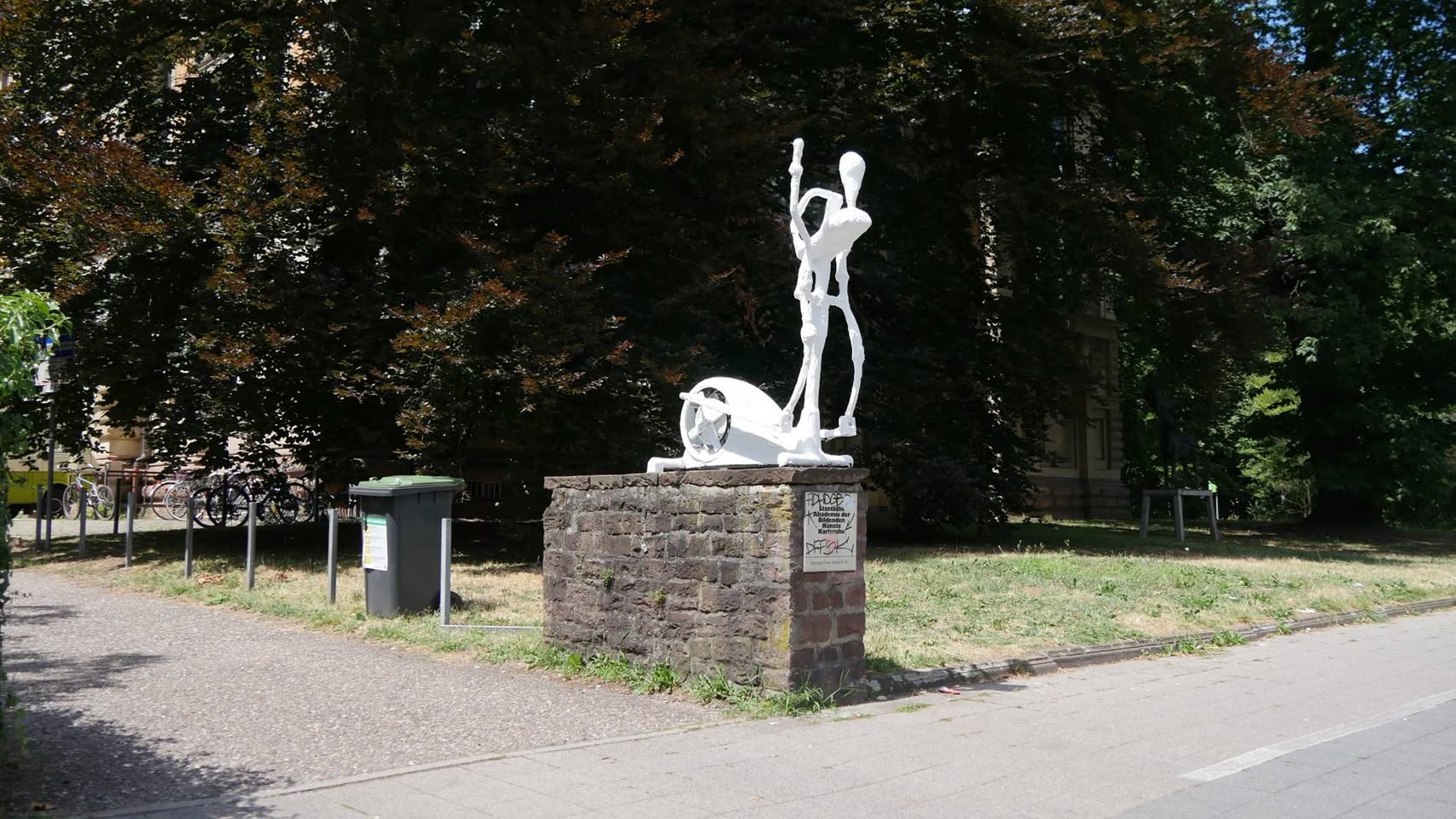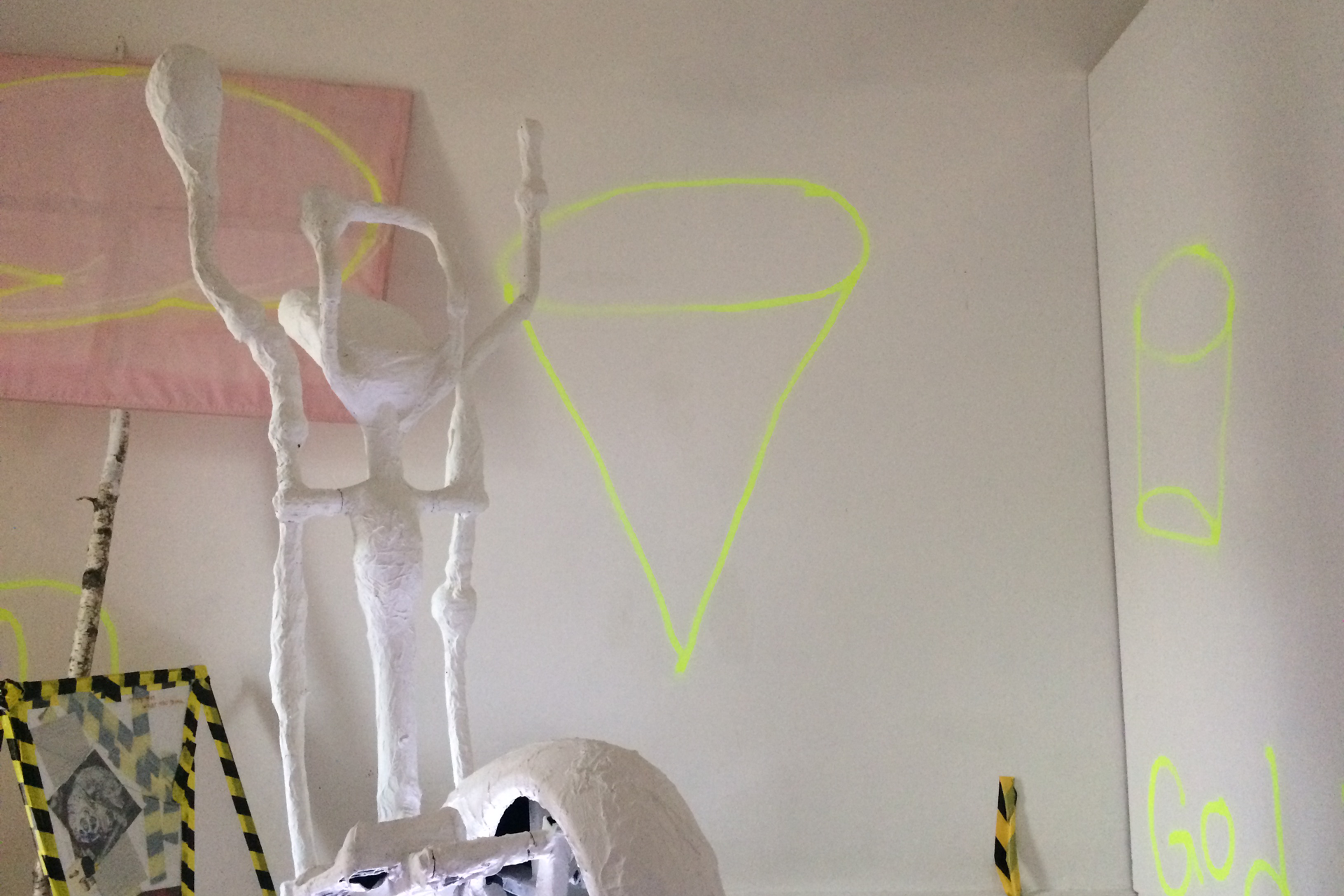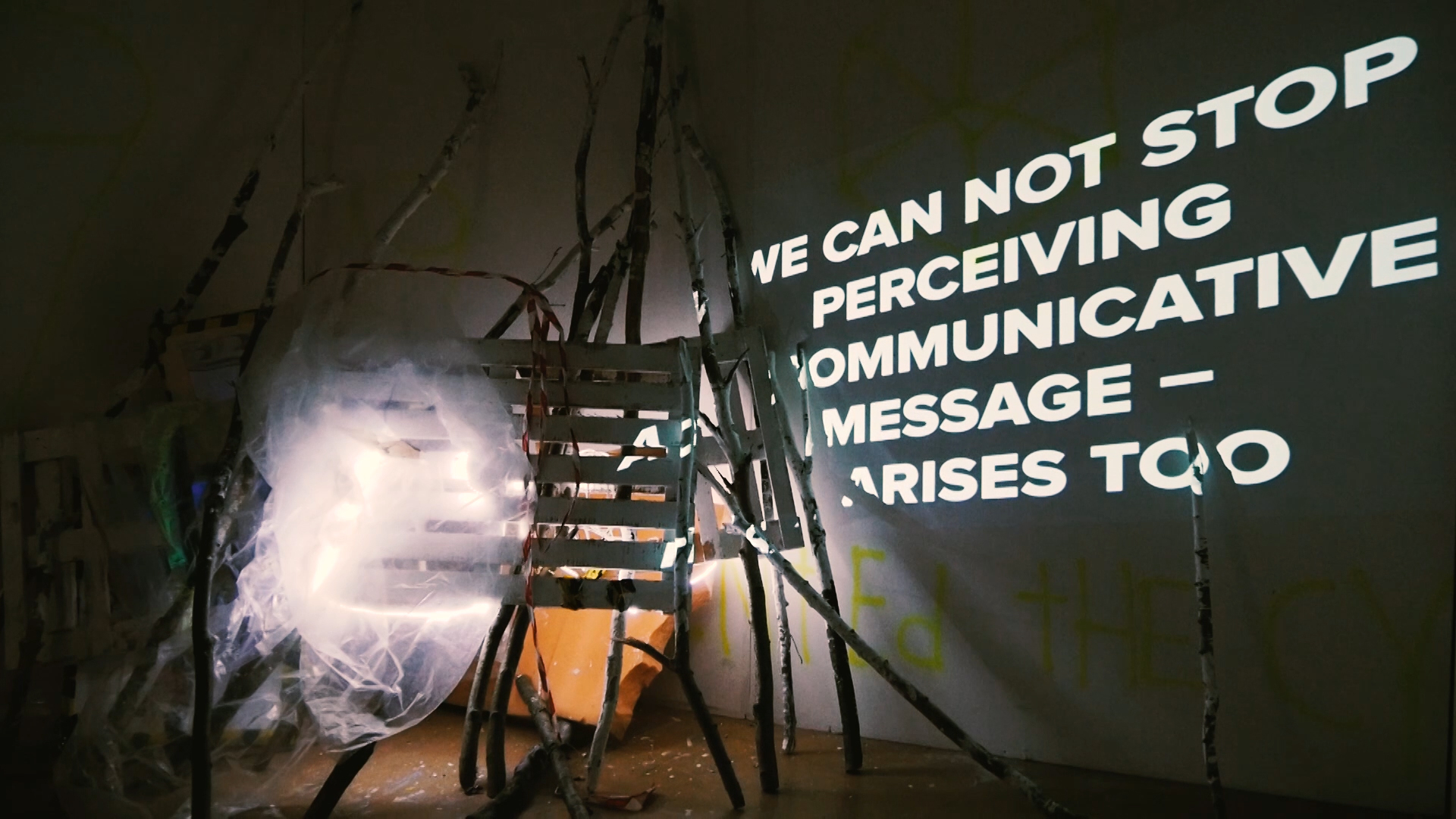
Message
We can not resist the ultimate and peremptory nature of communication. In the communicative process, part of our attention tightly adheres to the object, forming a single organ alienated from us, which no longer obeys us but enjoins us. The speaker’s throat, the air through which the sound waves pass, and the listener’s ears form an organic unity. We are not able to break this unity at the level at which it occurs. We can’t stop perceiving a communicative message — it arises too rapidly for us to decide to see or not to see, to hear, or not to hear, to understand or not.
Detail
Media Ecology, the essence of which can be reduced to the separation between medium and content, requires the establishment of particular autonomy and brings in a political dimension to media studies.
Media Ecology as a term was coined by media theorist Marshall McLuhan in a general and rather metaphorical sense. We redefine it more specifically as a phenomenological procedure for distinguishing media nesting. The point is that each layer of the medium's content should be reflected as a pure medium in line with the Medium is a Message paradigm proposed by McLuhan.
Related Works
About Communication in Karlsruhe