Authorial Comment
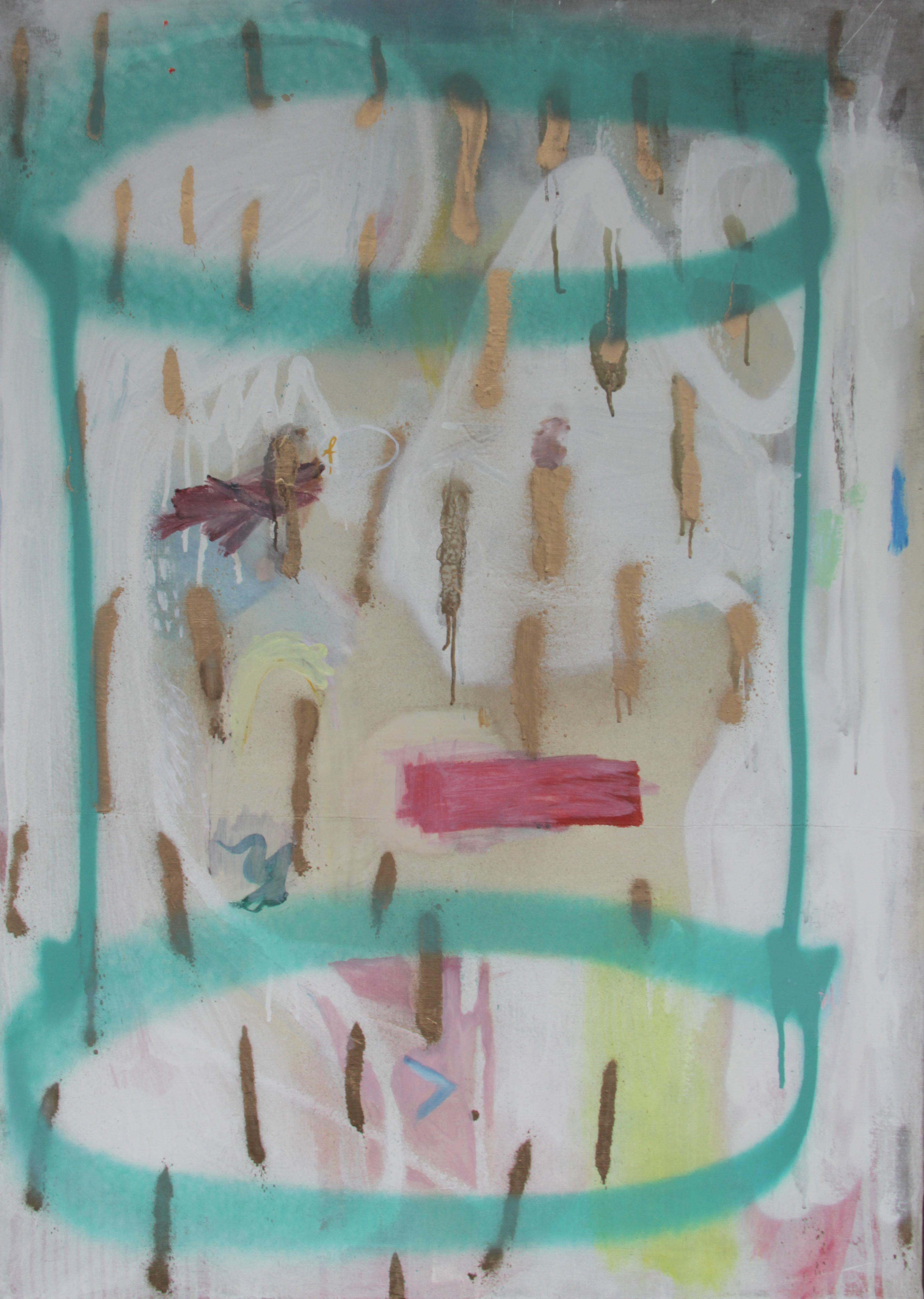
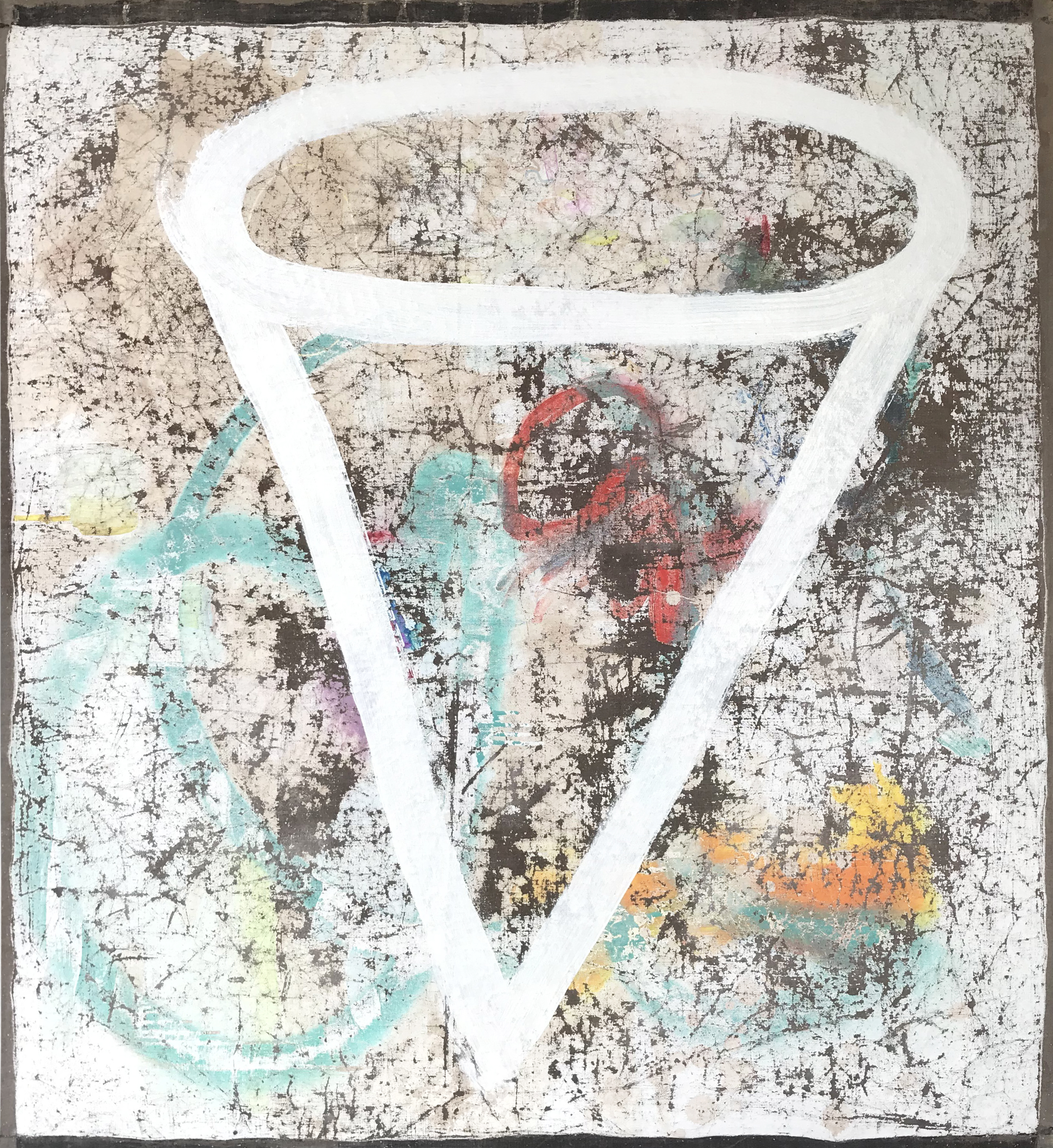
In the 28 August 2026 painting discussion, historical `Pizda` / current `P` is identified as an example of the tube mode in the spatial-form line developed from the cube / White Mold field. The canonical Work title remains `P`.
Detail
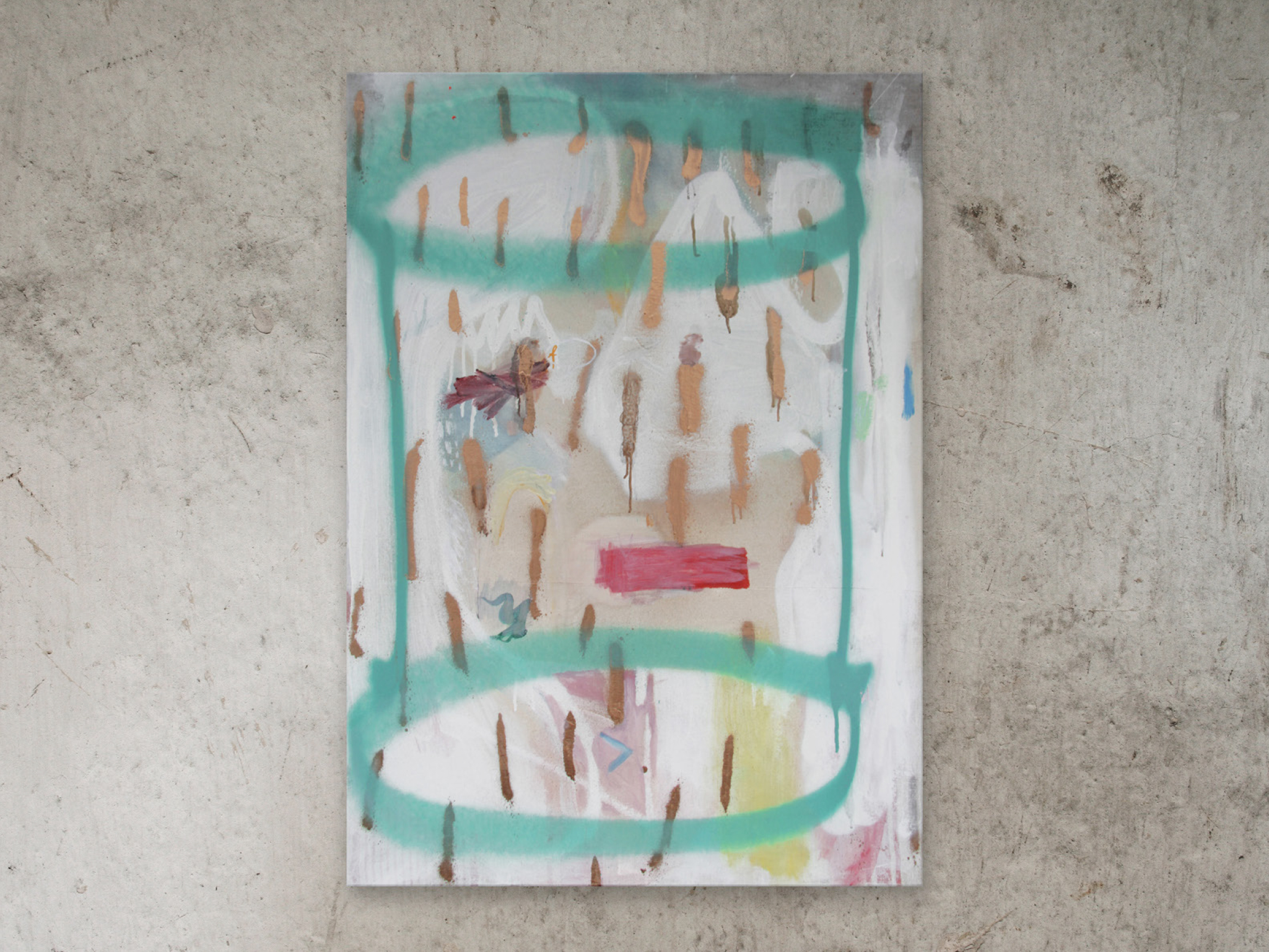
From this came the Noise Index, later fixed as the White Mold Index. The index was not a set of motifs or a style but a system of formal interventions. Recursion is important here: the painting opens the wall; patches of colour and forms open the painting; white patches open those forms; White Mold forms open the white patches; then the indexed forms themselves are opened again — through doubling, displacement into space, smearing, overpainting, repetition, and deliberately crooked execution. In the texts of that period this was called formal invasion and disclosure. One stabilised level of form is opened by the next. The instrument, therefore, is not an individual sign but the operation of opening itself.
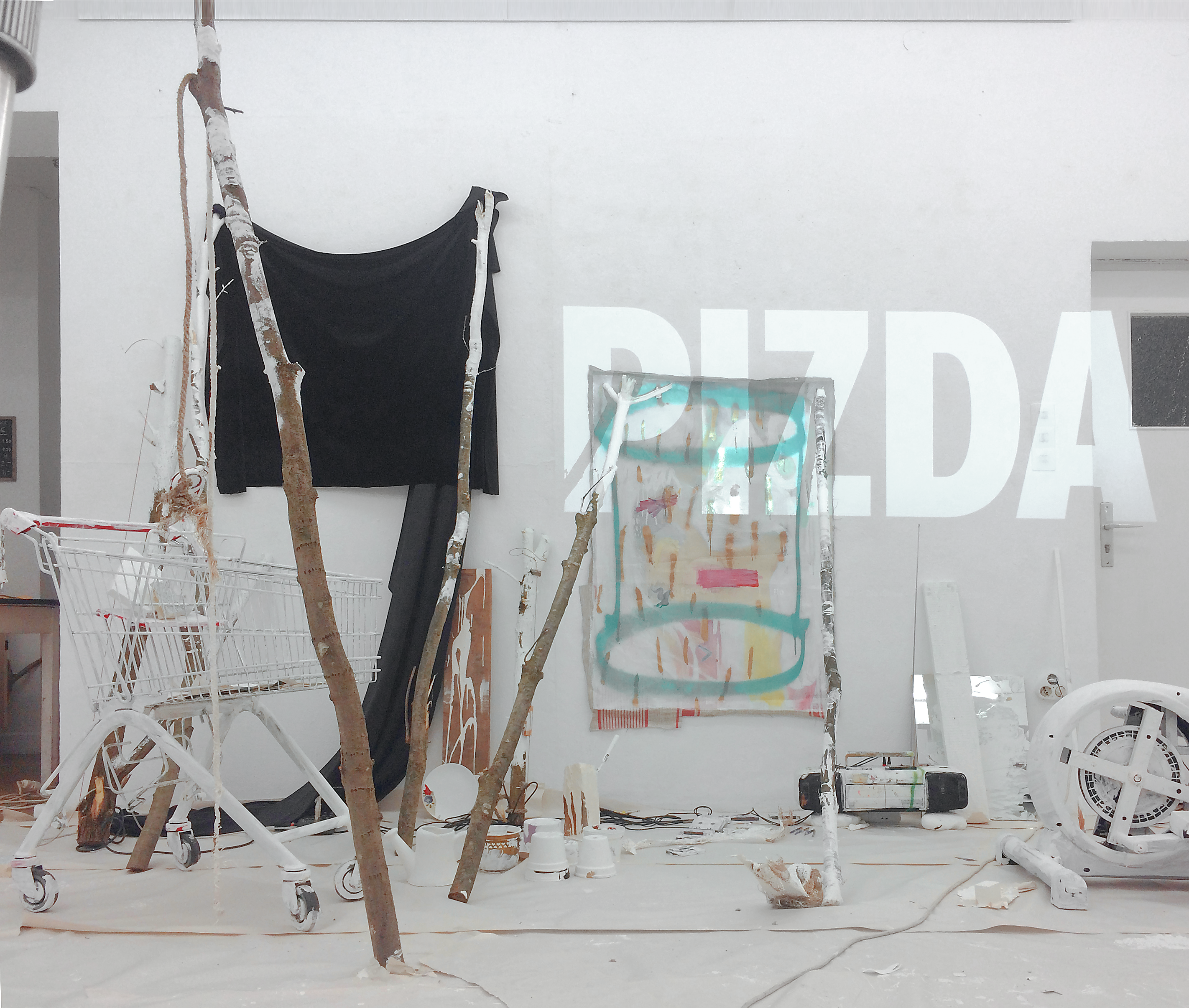
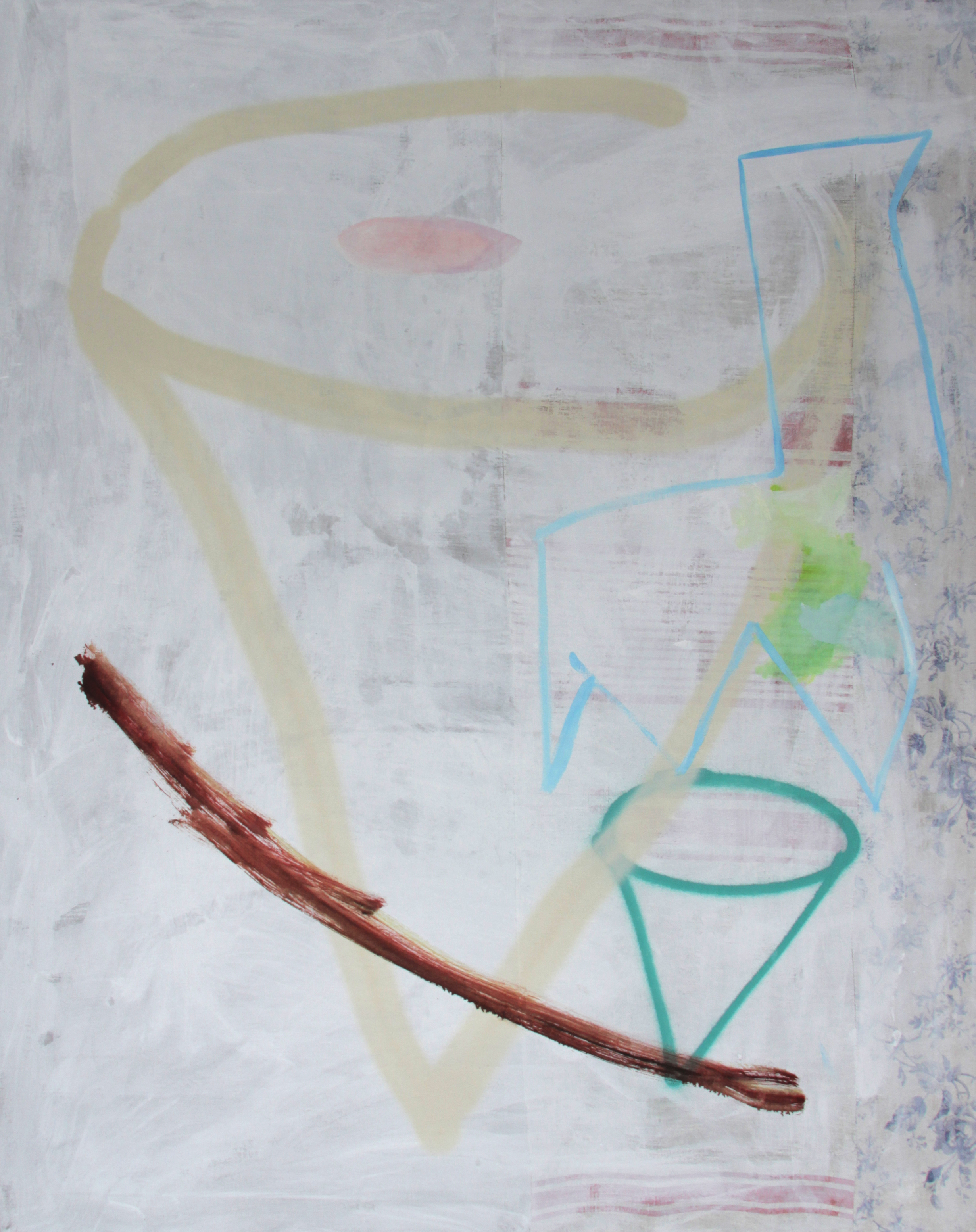
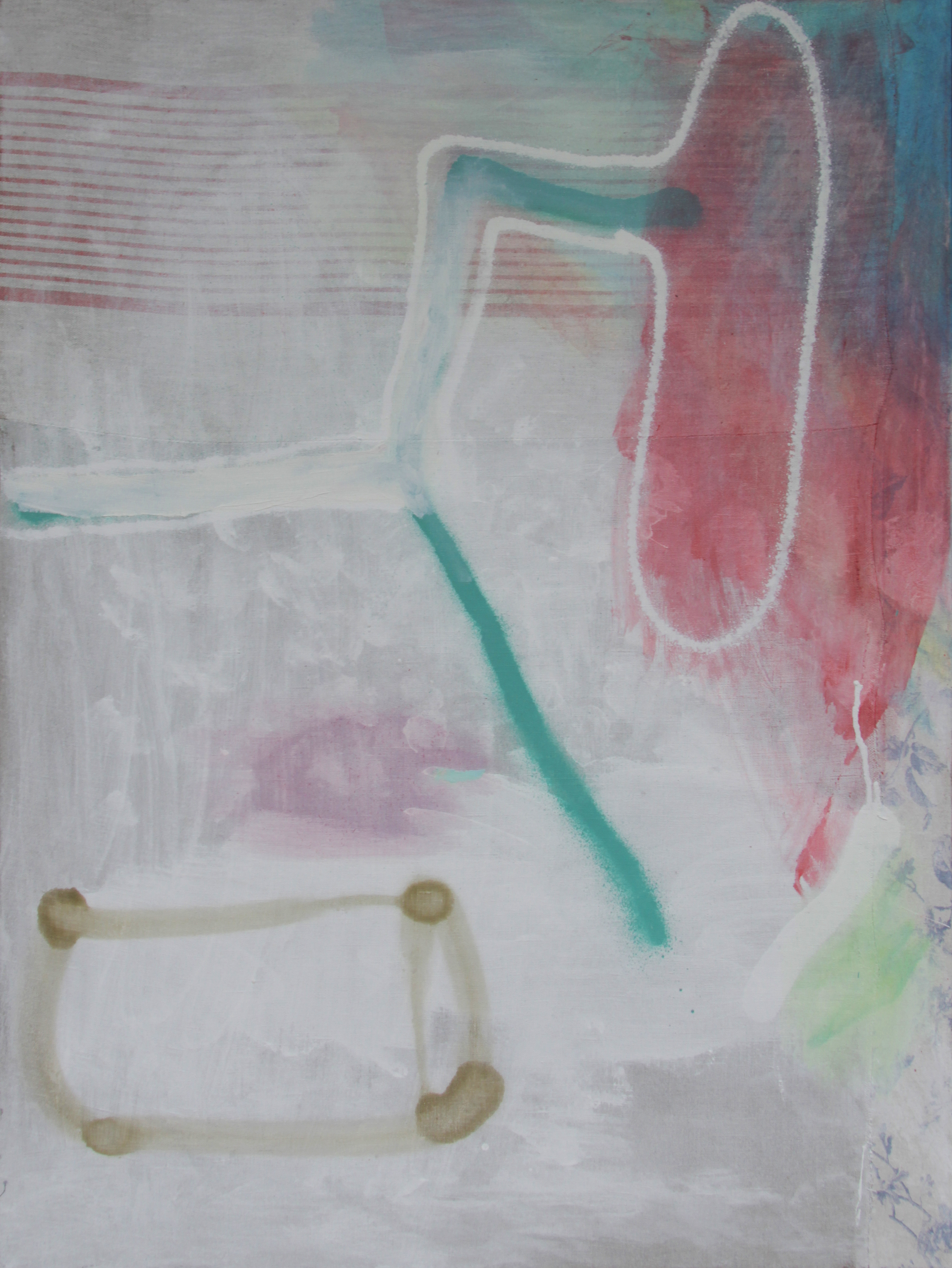
The question then shifted from breaking the surface to space: what is the minimal way to mark out space on a plane? This is where Wittgenstein’s cube appeared. From the cube came the glass, cone, column and tube — not four independent objects, but different states of one spatial object as it rotates and changes its position in relation to the viewer. Later a bent tube, resembling half of a torus, was added to them. In this sense the tube is not a motif in itself either. It is a spatial instrument: a minimal form that allows the plane to cease being only a plane without turning into an ordinary representation of three-dimensional space.
Related Works
White Mold
2017-05-21 Now at Poly Gallery Karlsruhe