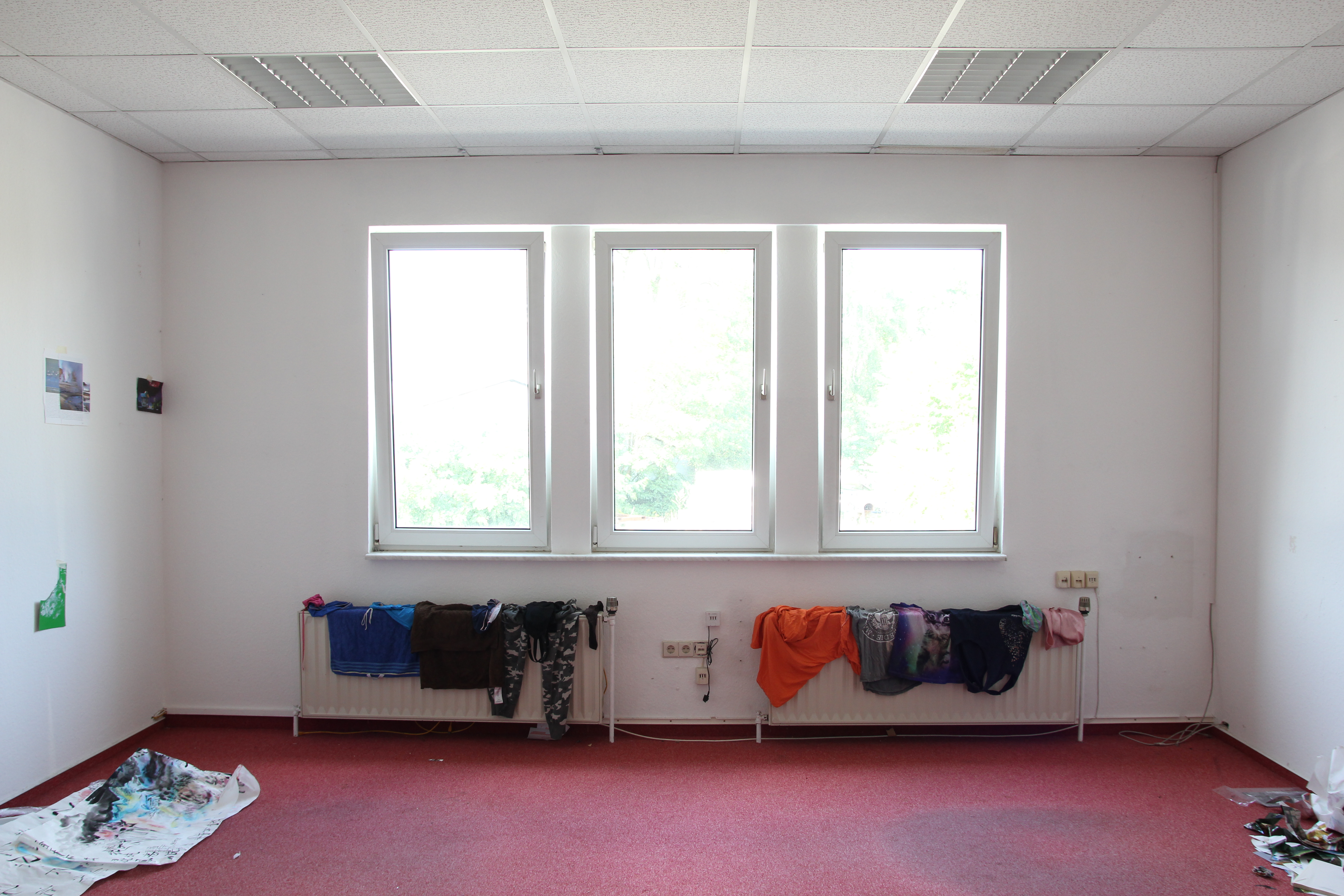
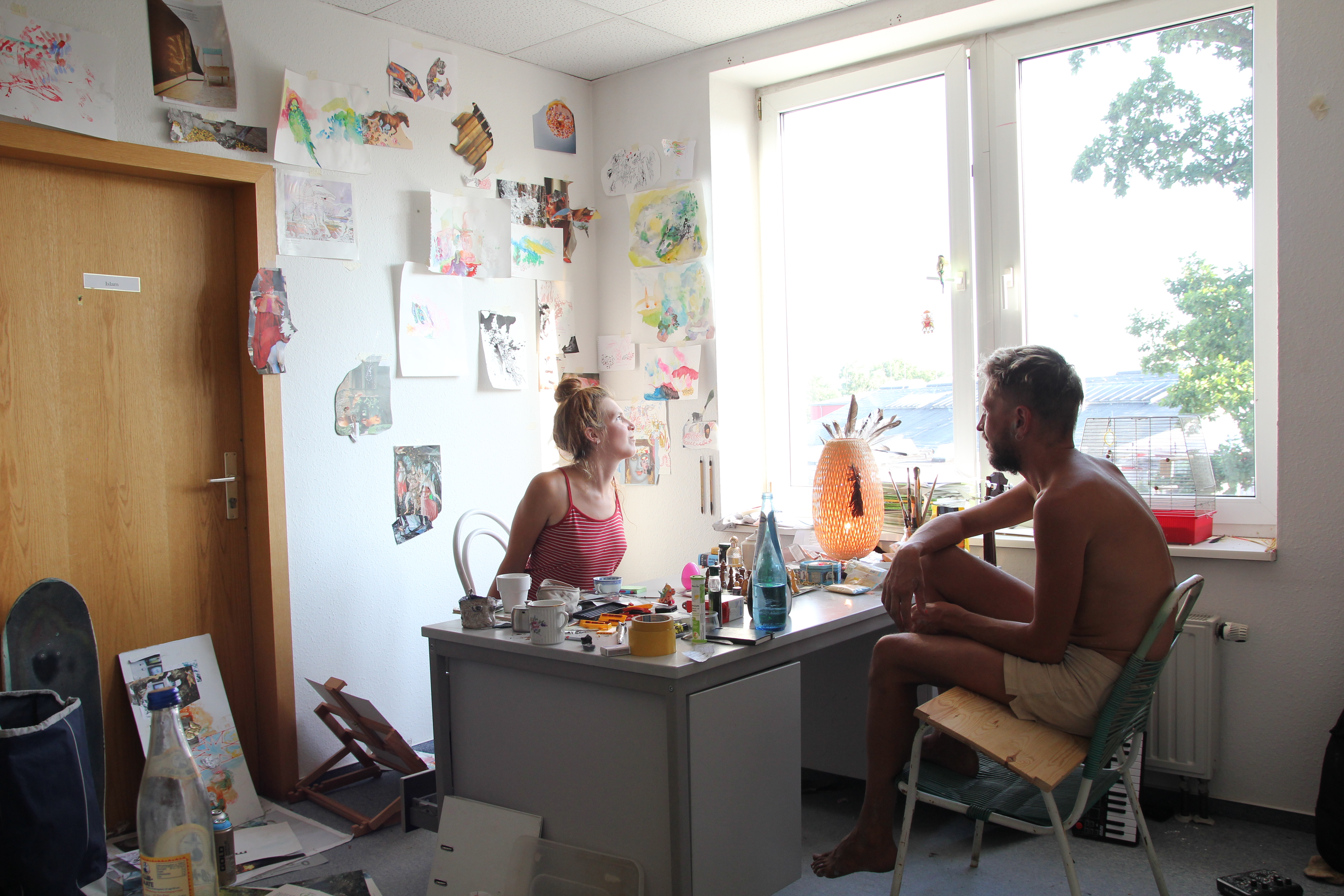
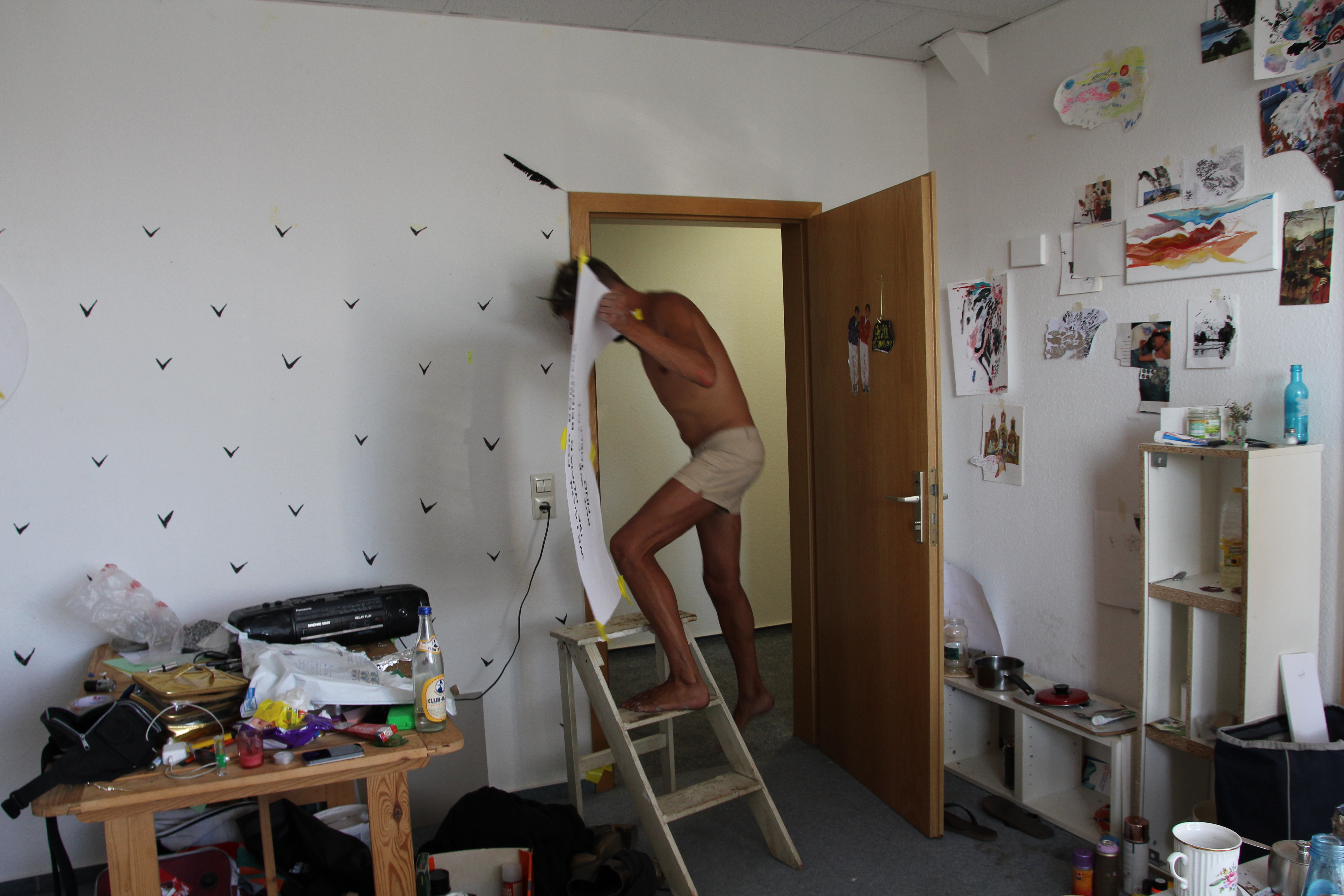
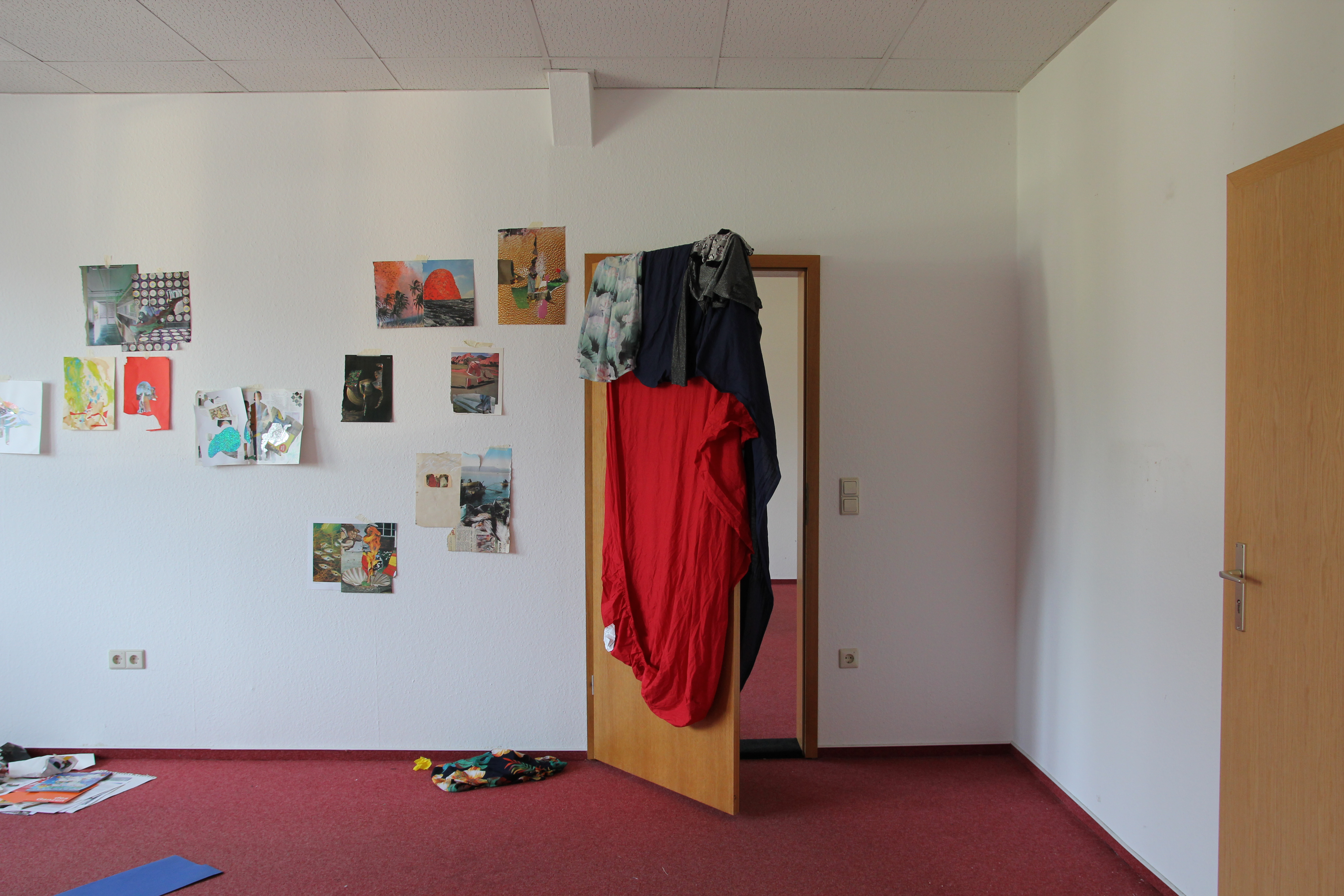
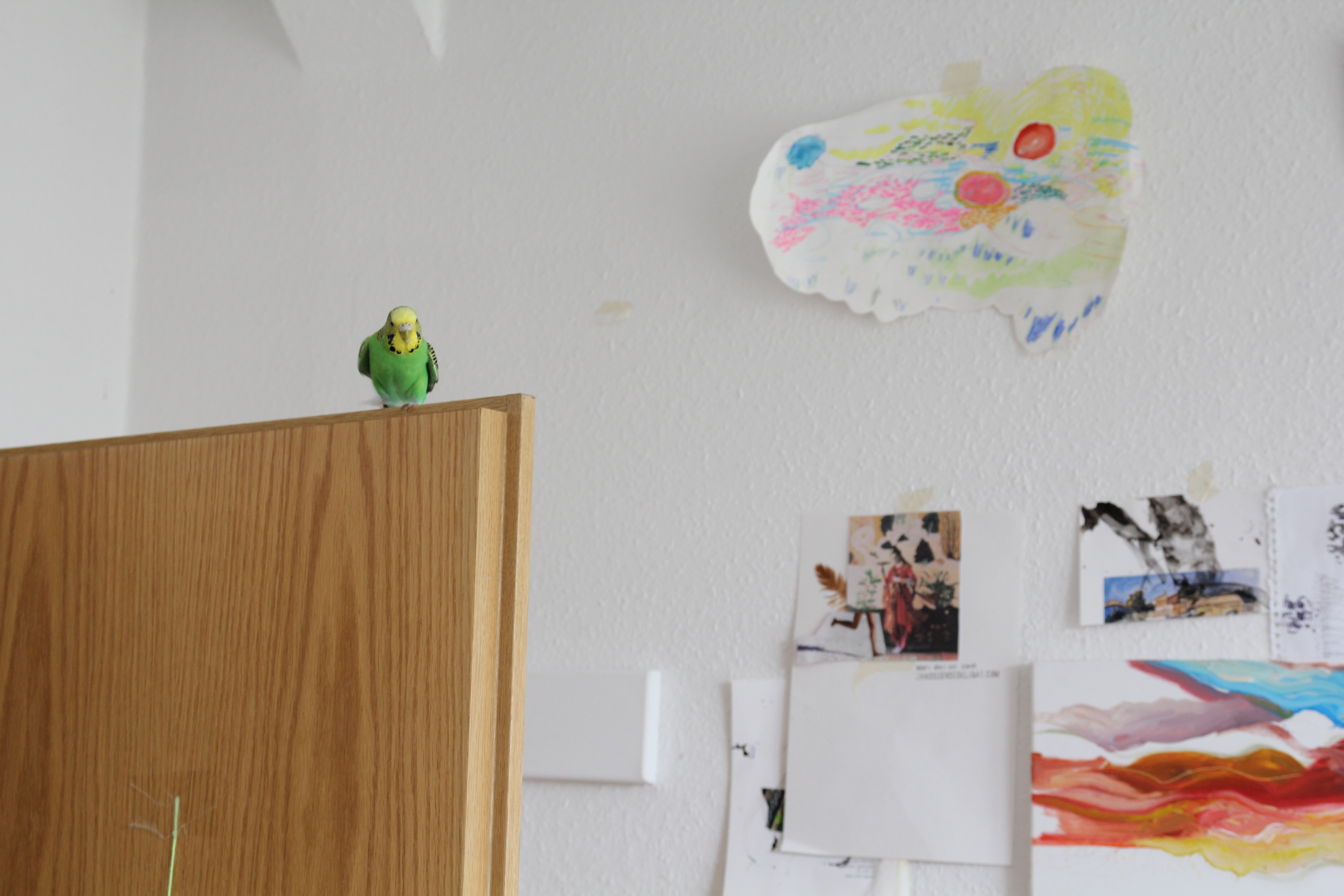
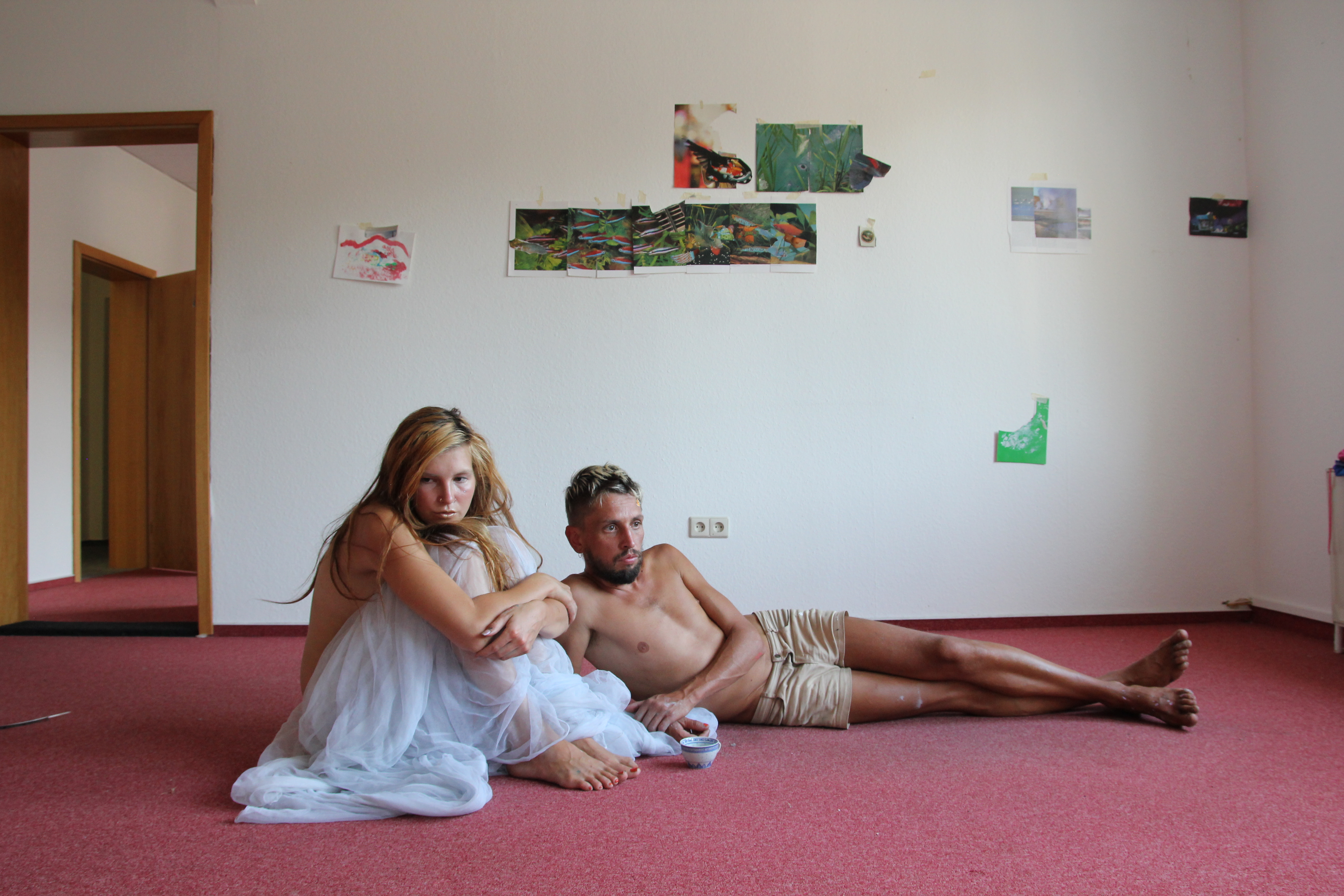
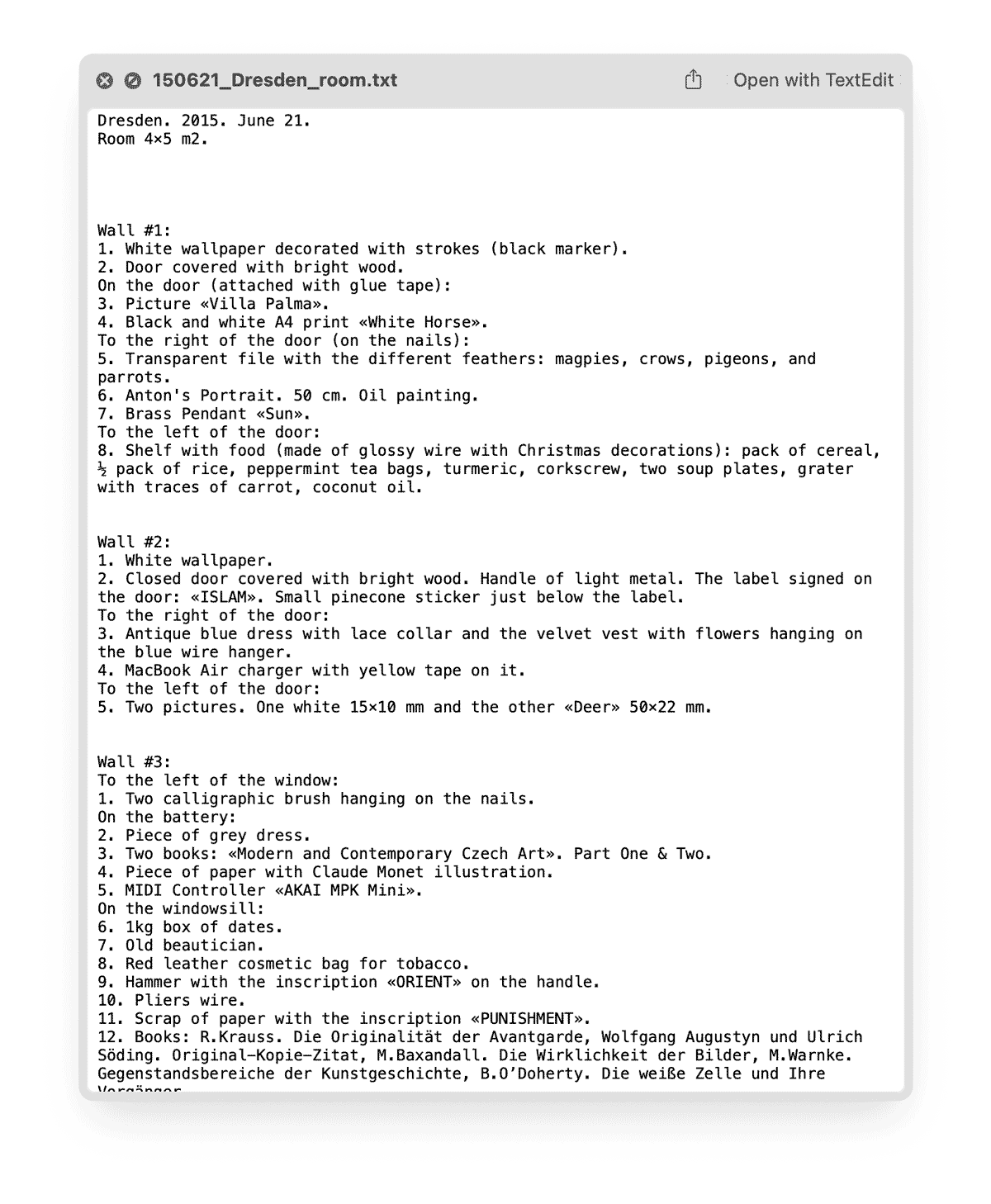
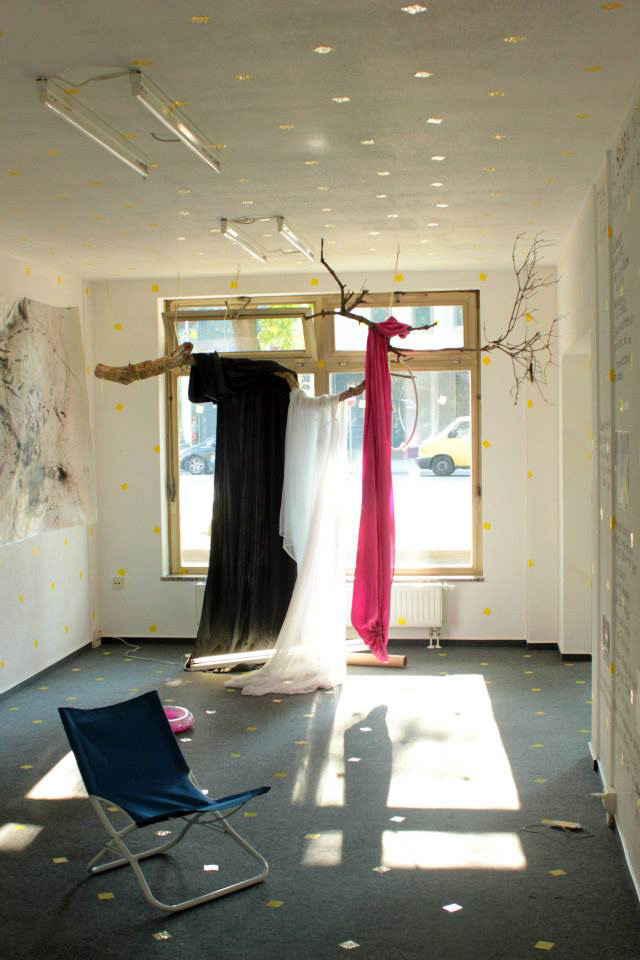
Dresden Room and Common Body are now established as two distinct Works, but the historical material shows that they arose from the same occupied room and were not initially presented with this separation. The inventory was made on 21 June 2015; the room installation was photographed by Thomas Schmidt two days later. An early portfolio presented Common Body explicitly as an Installation immediately before the room inventory. The present archive keeps the identities separate: Common Body is the list; Dresden Room is the installation.
We stopped enclosing ourselves in flats with a world beyond. We are detecting the world inside the room so often as we can talk to each other and think. No longer live in one place not because we lack one: rather, the opposite — everywhere is the same spot, same capacity.
A later version published in the 2017 Annual Report extends the same thought beyond the Dresden room: the artists describe working in forests, cities, fields, rooms, boats and on the night road — anywhere they can converse and think. This later text is retained here as historical self-description, not backdated as the stated intention of the June 2015 installation.
Printed matter in the room
A later direct authorial recollection identifies one material operation visible in the Dresden period. The artists remember taking a large stack of old GEO magazines from a Dresden library — approximately forty kilograms — tearing the magazines into fragments and using those fragments both in the Dresden Room installation and in collages. One surviving fragment showing Yemeni fishermen is separately remembered as having hung on the wall of the Dresden office.